Waste Removal in London
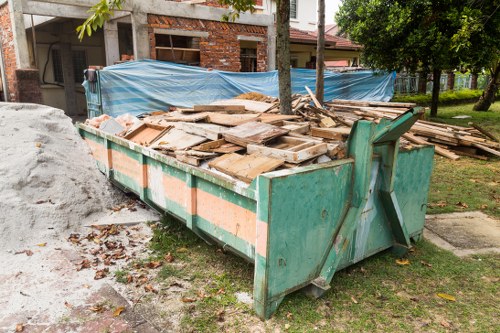
Waste Removal London provides a practical way to clear unwanted items, loose rubbish and mixed loads from homes, flats, offices and commercial premises across the capital. The service is built around straightforward collection and disposal, with attention to sorting, loading and leaving spaces ready for their next use. Whether the task is a one-off clear-out or part of a larger property change, the aim is to handle waste removal in London with a clear, orderly process that is easy to understand.
We work with a wide range of common waste streams, from general rubbish and bulky items to furniture, appliances and builder’s debris. Some customers want a single room cleared; others need several areas dealt with in one visit. The key is to match the collection to the type of material, the access available and the amount that needs moving, so the removal is efficient without becoming overcomplicated.
If you are planning a clearance and want to compare options, take a look at our pricing and quotes information and then send a request when you are ready. If you only need a quick answer for a straightforward collection, a plain enquiry is still a sensible first step.
Household waste removal and clear-outs

Domestic waste removal often starts with a mix of items rather than a single category. A room may contain broken household goods, worn furniture, packaging, old storage boxes and a general accumulation of unwanted material. Our approach is to separate what can be recycled or reused from what must be disposed of, then clear the load in a tidy sequence so the property is left in good order. That makes it suitable for everything from single-item removals to fuller home clearances.
For many households, the important part is not only removing the waste but handling the job in a way that fits the property. Flats, terraced houses and larger family homes can all need different access arrangements, especially where stairs, shared entrances or narrow hallways are involved. A careful plan helps reduce disruption and keeps the work focused on the items that actually need to go. If you want to see more of the domestic options, our house clearance page explains a useful related service, while flat clearance is relevant where access is more compact.
Useful preparation is usually simple: list the main item groups, note anything awkward to move and be clear about which rooms or outdoor areas are involved. If there are fragile surfaces, tight stairs or items that need separating from the waste, sharing that detail early makes the collection easier to plan. When you are ready, you can ask for a quotation in plain language and describe the work as fully or briefly as suits you.
Furniture, appliances and bulky items

Bulky waste is often the part of a removal job that takes the most space but also the most planning. Sofas, beds, wardrobes, mattresses, cabinets and white goods all need careful lifting, sensible access and a route that avoids unnecessary damage. We can handle these items as part of a broader waste removal visit or as a standalone collection where only large pieces need to be taken away. This is often the most practical choice when a room needs to be emptied without dealing with the entire property.
Some items call for specific disposal handling. Fridges, freezers and other appliances may contain materials that need to be processed properly, and mattresses or upholstered furniture can require separate attention depending on their condition and composition. Our related service pages cover several of these categories in more detail, including sofa removal, mattress disposal and fridge disposal. Where one item is part of a wider clear-out, these pieces can simply be included in the same collection.
When bulky items are being removed, it helps to think through access in advance and make space around the route if that is practical. If a lift, stairwell or shared entrance is involved, knowing that early makes it easier to plan the best order for the work. Good access information and a clear list of items usually lead to a smoother collection and a more accurate quotation.
Rubbish clearance for homes and premises
Rubbish clearance is the broader option when the waste is mixed and not limited to one type of material. It can include general rubbish, unwanted household contents, bagged waste, packaging, old storage items and light construction debris. This type of service suits customers who need a practical clearance rather than a narrow item-by-item removal. The emphasis is on removing what is no longer needed and disposing of it responsibly.
For some jobs, rubbish clearance is the best route because it allows several problem areas to be dealt with together. A loft may contain bags and broken boxes; a garage may hold old tools, offcuts and redundant storage; a garden may have dismantled furniture alongside bagged cuttings. Rather than arranging different visits, the whole collection can be grouped into one service where appropriate. Related pages such as rubbish clearance and waste clearance are useful if you are comparing ways to describe the same type of work more precisely.
Not every clearance needs the same level of involvement, so it is helpful to mention whether items are already bagged, whether they are loose, and whether any sorting has to happen on site. Clear descriptions of the load save time and support better planning. If you are gathering options before moving ahead, a brief message with the main item types is usually enough to start the conversation.
Commercial waste removal for workspaces

Commercial waste removal covers the kind of material that builds up in offices, shops, workshops and other business premises. It may include redundant furniture, packaging, old stock, storage waste, dismantled fixtures or general office rubbish. The aim is to clear it efficiently while keeping the premises usable and respecting shared access, working hours and building rules. That makes it suitable for organisations that want one dependable collection rather than many separate arrangements.
Some workplaces need a light-touch collection for a few unwanted items, while others need a fuller clearance before a move, refit or seasonal reset. Our commercial pages provide related options such as office clearance, commercial waste collection and business waste removal. Those pages can help you compare the kind of waste involved and decide whether you need a general removal or a more specific workplace service.
For businesses, it is often useful to note any building restrictions, loading arrangements or timing limits before asking for a quotation. If the waste is spread across several areas, a short room-by-room summary can make the removal easier to organise. You do not need a complicated brief; just explain what is there, what should stay and what needs to be taken away.
Garden, loft and garage clearances
Some waste removal jobs are best understood by location rather than by item type. Garages, lofts, sheds and gardens often accumulate mixed material over time, and each space has its own practical issues. In a garage, items may be stacked and awkward to reach. In a loft, weight, stairs and access are often the main concerns. In a garden, waste may include broken furniture, bags, plant cuttings and old outdoor equipment.
Our related pages include garage clearance, loft clearance and garden clearance, which are useful if the waste is concentrated in one part of the property. These services can also sit alongside more general rubbish removal where several spaces need attention. The main choice is whether the load should be treated as a location-based clearance or as a broader mixed collection.
Because these areas often contain a blend of light and heavy items, it helps to identify anything that may need dismantling or separate handling. If some waste is outside, let us know whether it is accessible through a side passage, rear gate or communal route. That sort of detail supports a sensible quotation and avoids assumptions. Simple, accurate information is usually better than a long explanation.
Builders’ waste and renovation debris

Builders’ waste clearance is designed for debris left behind after refurbishment, repair or improvement work. Typical material includes broken plasterboard, timber offcuts, packaging, tiles, fixtures, flooring waste and other renovation leftovers. It is often heavier and dustier than household rubbish, so the collection needs a practical approach to loading, sorting and disposal. That makes it suitable for home improvements as well as trades and property maintenance jobs.
Where a project creates a combination of renovation debris and general waste, it may be sensible to remove everything in one visit rather than arranging separate collections. Our service pages for builders waste clearance, waste disposal and waste collection can help you compare ways of describing the job. If the work includes a heavier mix of rubble or materials from a strip-out, it is worth saying so at the outset.
The main factors here are access, material type and quantity. A clear list of what has been left on site, plus whether the waste is bagged, stacked or loose, helps the collection be planned properly. If you are asking for a quotation, the fastest route is usually to outline the room, the project stage and the main materials that need removing.
How we handle mixed waste and sorting
Mixed waste often needs more thought than a single-category collection, because different items may follow different disposal routes. We aim to separate reusable or recyclable material where possible and keep the load organised throughout the collection. This matters when a job includes furniture, cardboard, metal, small appliances, packaging and ordinary rubbish all together. A structured approach helps avoid confusion and supports a cleaner finish at the end of the visit.
One useful way to plan a mixed collection is to group items into broad categories before the team arrives. For example: furniture, bags, appliances, loose rubbish, and any materials that are staying behind. That makes it easier to judge the volume and decide what type of vehicle or collection method is likely to suit the work. If you are comparing options, our bulk waste collection and bulky waste collection pages are relevant where the main issue is size rather than fine detail.
In many cases, mixed waste removal is the most flexible service because it avoids forcing everything into one narrow category. That said, the clearer your description, the easier it is to price and schedule correctly. A few photographs can help if the load is hard to describe, but a written summary is still useful because it captures what is being removed, what is staying, and any access notes that matter.
About London
London is the capital of the United Kingdom and one of the most historically layered cities in Europe, shaped by Roman origins, medieval growth, Georgian planning and rapid Victorian expansion. The River Thames remains central to its geography, curving through the city and helping define districts, bridges and riverside paths on both banks. The modern metropolis is made up of many neighbourhoods and boroughs, each with its own character, from dense central quarters to more residential outer areas. That variety is reflected in its architecture, which ranges from surviving fragments of older London to major civic buildings, terraced streets, post-war housing estates and contemporary developments. Westminster, the City, the South Bank and the West End are among the best-known districts, while extensive parks such as Hyde Park, Regent’s Park and Hampstead Heath provide large green spaces within the urban fabric. The city also contains major cultural institutions, museums, theatres, galleries and music venues, many of them concentrated in or around the West End, South Kensington and the South Bank. Public transport is a defining feature of daily life here, with the Underground, rail termini, buses and river services linking a huge and varied area. At the same time, London’s identity is not fixed to its famous centre alone: local high streets, markets, estates, warehouse conversions and conservation areas all contribute to a city that is both global and deeply local in feel.
Clearance choices for homes, landlords and managers
Different customers need different levels of removal support. A homeowner may want a single room emptied before redecorating, while a landlord may need a property cleared between tenancies. Managers of shared buildings may need to remove unwanted furniture or waste from communal areas. The same practical service can therefore be adapted to different situations, but the details of the load and access matter more than the label on the job.
Our wider range includes property clearance, home clearance and furniture clearance, all of which can be helpful when a collection needs to be described more precisely. If the waste is tied to a probate or estate matter, it may also be useful to look at probate clearance or probate house clearance. These pages are not the same as a general rubbish pickup, but they can help customers find the closest fit for their situation.
When requesting a quotation, the most useful details are usually the location within the property, the rough amount to be removed and whether there are items that need special handling. You do not need to write a long brief. A short, accurate summary is often enough to begin, especially if the collection is straightforward and the main aim is simply to clear the space.
Recycling, disposal and collection planning
Waste removal works best when the collection method matches the material and the end destination. Recyclable loads, general refuse and bulky items may need to be separated at different stages so that disposal is handled properly. That is why clear descriptions of the waste matter: they help determine what should be loaded together and what should be treated separately. This applies equally to domestic rubbish, office waste and mixed clearance jobs.
For customers who want to understand how the broader process is framed, the related pages on recycling and rubbish, waste recycling and recycling and sustainability provide useful context. They are most relevant when the collection includes materials that may be sorted rather than treated as plain refuse. Where the load is simple, the main job remains removal; where it is mixed, responsible handling becomes more important.
The final thing to consider is timing. Collections are easier to organise when the items are accessible and the work area is ready, but there is no need to overprepare. If you can identify the waste, point out any awkward access and say whether the job is part of a move, renovation or general tidy-up, that is usually enough for a clear quotation. Send the essentials and we can take it from there.
Request a quotation for waste removal in London
If you need waste removal in London, the simplest next step is to outline what needs collecting and where it is located. A clear list of items, whether the waste is bagged or loose, and any access notes will help shape the quotation and the collection plan. For many jobs, that is all that is required before the work can be priced and arranged. The focus is on keeping the process practical and transparent.
We can help with general rubbish, bulky items, household clear-outs, commercial waste and many common clearance scenarios. If you have already compared the relevant pages, you can move straight to an enquiry and describe the job in one message. For a final step, visit our contact us page and send your request for a quotation when you are ready.
Whether the task is a single item, a room full of mixed waste or a larger clearance, the aim is to make the removal straightforward from the first description to the last load. Request your quotation today and let us know what needs clearing.