Council Waste Collection in London
If you need reliable council waste collection in London, it helps to know exactly what can be collected, how to prepare items, and when a local team is the right choice. Whether you are clearing a flat in Islington, dealing with bulky items in Southwark, or arranging regular waste removal for a shop in Camden, the process should feel simple, efficient, and suited to local conditions. London properties come in many shapes and sizes, from top-floor conversions and mansion blocks to terraced homes, basement offices, high-street units, and warehouse spaces, so the right collection service must be flexible enough to work around real-life access challenges.
In a busy city, waste builds up fast. Unwanted furniture, broken appliances, bagged rubbish, renovation debris, and commercial refuse can quickly take over valuable space. A dependable council waste collection London service helps households, landlords, letting agents, and businesses clear items responsibly without disrupting the day. If you are preparing for a move, an end-of-tenancy clean, a shop refit, or simply getting rid of things that will not fit in your bin, this page explains what to expect and how to book with confidence.
We understand that local customers are not just looking for collection—they want a service that works around parking restrictions, narrow roads, timed loading bays, estate access rules, and the varied waste rules across different boroughs. That is why a practical, local approach matters. Contact us today to discuss your waste collection needs, or request a free quote if you already know what needs removing.
Why Council Waste Collection Matters in London
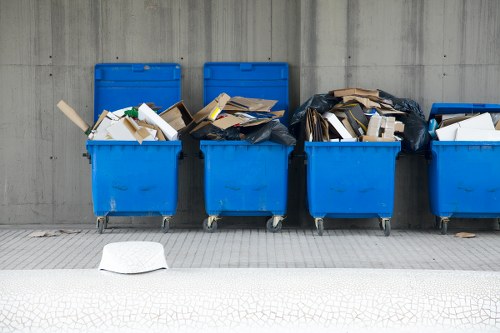
London generates a huge variety of waste every day, and not all of it can be left in a standard household bin. Council waste collection is often the most convenient way to deal with bulky or excess items that are awkward to transport yourself. For many residents, it is about more than convenience—it is about keeping homes, communal areas, and business premises safe, tidy, and usable.
When collections are organised properly, they reduce clutter in hallways, prevent unsafe pile-ups in shared spaces, and help properties stay presentable for tenants, customers, and visitors. In densely populated parts of the city, waste left outside too long can create access problems, nuisance, and added stress for neighbours. A timely collection helps avoid those issues and keeps everything moving smoothly.
There is also the practical side. Many London homes do not have large driveways or easy front-garden storage. In places like Hackney, Hammersmith, Lewisham, and Brent, residents may live in converted buildings with limited storage, or in homes where carrying waste down stairs is the only option. A local waste collection service is useful because it can be planned around the real layout of the property and the realities of city life.
Who Uses Waste Collection Services in London?

Waste collection is used by a wide mix of customers across the capital. Homeowners often need help with old furniture, broken white goods, garden waste, or general clutter after a clear-out. Tenants may need to remove items before moving out, while landlords and estate managers often require collections between lets or after refurbishment work.
Businesses also rely on this type of service. Offices may need to dispose of desks, chairs, filing cabinets, and packaging. Retail premises often need regular removal of cardboard, display materials, or stockroom waste. Hospitality venues, salons, and clinics may need dependable support to keep back-of-house waste under control and ensure customer areas remain clean and welcoming.
Construction and trade customers are another important group. Builders, decorators, and installers may need regular removal of rubble, timber, old fixtures, packaging, and mixed site waste. In London, where space is at a premium and many jobs happen in tight streets or shared-access buildings, a collection partner that can work quickly and safely is a real asset.
What Can Be Collected?

Many customers are unsure what can be included in a council waste collection arrangement. The exact list will depend on the type of service booked and local waste rules, but the following items are commonly collected:
- Household junk and general clutter
- Old sofas, armchairs, mattresses, and beds
- Tables, wardrobes, shelving, and other furniture
- White goods such as fridges, freezers, washers, and cookers
- Bagged rubbish and unwanted mixed household waste
- Office furniture and non-confidential commercial waste
- Cardboard, packaging, and shop clear-out materials
- Light builders’ waste, fixtures, and renovation debris
- Garden waste such as branches, leaves, and cuttings
Some items require extra care or separate handling, particularly electrical appliances, heavy materials, or anything that may contain hazardous components. If you are not sure whether something can be collected, it is best to ask before booking. That way, you can avoid delays and make sure the team arrives with the right plan for the job.
Important: not every service accepts every material. Items such as asbestos, chemicals, gas bottles, clinical waste, and certain hazardous substances usually need specialist handling. A trustworthy local provider will tell you clearly what is and is not suitable for collection.
How the Service Works
Booking council waste collection in London should be straightforward. For most customers, the process starts with a description of the waste, where it is located, and how much needs removing. This helps the team understand the size of the job, whether access is easy or restricted, and if extra labour is needed to move items from upstairs, basements, rear gardens, or shared entrances.
Once the collection is arranged, a local crew arrives at the agreed time window and checks the items to be removed. They will usually confirm what is being collected, assess access, and then load the waste safely. For many homes and businesses, the job can be completed quickly with minimal disruption. The key benefit of using a local team is that they are already familiar with London streets, parking conditions, and common property layouts.
After collection, the waste is taken away for appropriate disposal or processing. Responsible handling matters because many items can be sorted for recycling, reuse, or specialist treatment. Customers often value the reassurance that the items are being managed properly rather than simply being dumped elsewhere.
Typical collection steps
- Share details of the items you need removed.
- Explain your location, access points, and any parking limitations.
- Receive a quote or service estimate based on the job details.
- Agree a collection time that fits your schedule.
- Have the items ready, or arrange for collection from the relevant area.
- Let the team complete loading and removal.
- Enjoy a clear, usable space again.
This process is especially useful for people who are short on time or who cannot move bulky items themselves. It is also helpful for landlords and managing agents who need a fast turnaround between tenancies, or for businesses that need to maintain tidy premises without interrupting customers.
Local Knowledge Makes a Real Difference

London is not one-size-fits-all. A waste collection that works in a suburban area with easy roadside access may need to be completely adapted in central boroughs with controlled parking, loading restrictions, or busy pedestrian routes. Local knowledge is valuable because it helps avoid delays and ensures the collection is carried out with minimal disruption.
For example, a flat near a busy high street in Westminster may require timed access and careful loading to avoid obstructing traffic. A property in Greenwich might have estate rules around vehicle entry. A Victorian terrace in Wandsworth could involve narrow staircases and limited outside space. In Croydon, Barking and Dagenham, or Ealing, a customer may have a front garden, side access, or shared driveway that changes how the collection is carried out. A local team understands these differences and plans accordingly.
That local awareness also matters for commercial customers. A shop in Clapham, a café in Shoreditch, or an office in Canary Wharf may need collections scheduled outside busy trading periods. A flexible service helps businesses avoid disruption, maintain good presentation, and keep back-of-house areas clear.
Residential Waste Collection for London Homes
For households, waste collection often comes at times of transition or pressure. A family may be clearing an attic after years of stored belongings, emptying a spare room for a new arrival, or getting ready to move. Flat residents may need help removing furniture from upper floors where lifts are not available. Shared homes may build up more waste than the regular bin system can handle, especially after a house share turns over or a lease ends.
One of the main advantages of arranging council waste collection in London is the ability to deal with large or awkward items without having to borrow a van, lift heavy objects through tight spaces, or spend hours trying to organise disposal yourself. This is especially useful for older residents, busy families, or anyone recovering from illness or injury who simply cannot do the lifting.
Residential customers also appreciate a service that respects the property. Careful handling matters in communal halls, stairwells, and shared entrances, particularly where neighbours are close by. A professional local crew should work neatly, keep noise to a minimum where possible, and leave the space tidy after the collection.
Common residential reasons to book
- End-of-tenancy clear-outs
- Moving home
- Decluttering a loft, garage, or spare room
- Replacing old furniture or appliances
- Clearing a property after renovation
- Removing garden waste from houses with outdoor space
- Preparing a home for sale or letting
These are the moments when local support really helps. Instead of leaving items stacked in the hallway or outside the property, you can get them removed in one organised visit and move on with your day.
Commercial Waste Collection for London Businesses

Commercial customers need reliability. A business cannot afford to have waste blocking walkways, staff areas, or customer-facing spaces. Whether you run a small independent shop or a larger workplace, waste collection helps maintain standards and keeps the day-to-day operation running smoothly.
In London, commercial premises often have specific access constraints. Some businesses are on busy roads with limited stopping time. Others occupy basement levels, upper floors, or shared office buildings with security access requirements. A practical waste collection service can work around these challenges and reduce disruption to staff, customers, and neighbouring premises.
Commercial waste can include office clear-outs, retail packaging, shelving, furniture, and general mixed rubbish from refits or seasonal changes. Businesses may also need occasional one-off collections after stock refreshes, relocations, or refurbishments. A local service can be arranged as and when needed, helping you stay on top of waste without committing to a rigid setup that does not suit your workflow.
What Is Usually Included in the Service?
When you arrange a collection, you want to know what the team will actually do on the day. While service details can vary, a good waste collection usually includes more than just taking rubbish away. Customers often need assistance with lifting, moving, sorting, and loading items from inside the property, not only from the pavement outside.
Depending on the booking, the service may include:
- Collection from houses, flats, offices, shops, or work sites
- Loading of bulky items and bagged waste
- Careful handling through stairwells, corridors, and shared areas
- Removal from gardens, yards, basements, garages, or storage rooms
- Appropriate transport and disposal arrangements
- Sorting of recyclable materials where possible
Tip: If your property has difficult access, let the team know in advance. This could include no lift access, narrow staircases, permit-only parking, or a long carry distance from vehicle to property. The more detail you share, the easier it is to plan the collection properly.
Helpful optional details to mention when booking
- Approximate number of items or bags
- Type of waste involved
- Whether items are located upstairs or downstairs
- Parking restrictions near the property
- Any time limits for access
- Whether the items need dismantling before removal
This level of preparation helps the team arrive ready and reduces the chance of delays. It also helps customers get a clearer idea of the likely scope of work.
Preparation Checklist Before Collection
Getting ready for waste collection does not need to be difficult, but a little preparation can make the visit faster and simpler. If you are using a collection service for a home, office, or shop, these practical steps are worth considering before the team arrives.
First, separate anything that should not be taken away. This may include items you still want to keep, paperwork, personal records, or valuables hidden in drawers and cabinets. For commercial customers, it is also sensible to secure confidential documents and remove any sensitive material that needs its own disposal route.
Second, make the items easy to identify. If waste is stored in several rooms, it can help to group it together in one area if possible. This is especially useful in flats and houses with multiple levels. In many London properties, parking and access are tight, so clear organisation can save time and minimise the amount of carrying needed.
Simple checklist
- Identify everything you want collected
- Move smaller items into one accessible area if safe to do so
- Check communal rules if you live in an estate or block
- Make sure access gates, entry codes, or permits are ready
- Measure bulky items if you are unsure they will fit through doorways
- Keep pets and children clear of the work area during loading
Underlining the basics: the more accessible the waste, the smoother the collection tends to be. But if access is difficult, a local team can still often help—it just needs to be planned properly.
Pricing Factors to Consider
Customers often ask how waste collection is priced. Exact costs will depend on the type of job, the amount of waste, the labour involved, and any access issues. Because every property and load is different, it is usually better to ask for a tailored quote rather than assume one set price will fit all situations.
Common factors that can influence the price include:
- The volume of waste to be removed
- The weight and type of materials
- Whether items are heavy, bulky, or awkward to handle
- How far the waste must be carried
- Stair access, lift access, or basement collection
- Parking and loading conditions
- Whether the collection is residential or commercial
- If specialist disposal is needed for certain materials
It is always sensible to provide as much detail as possible when requesting a quote. Clear information makes it easier to price the job fairly and avoid misunderstandings later. If you are clearing a flat in central London, for example, a long carry distance or restricted parking may affect how the collection is planned. In outer boroughs, there may be more room for vehicle access, but larger loads or mixed materials can still affect the final arrangement.
Request a free quote once you know what needs removing, and ask any questions you have about access, timings, or item types before confirming the booking.
Why Choose a Local London Company?
There are several reasons why a local company is often the better fit for council waste collection in London. First, local crews are used to working within borough-specific conditions and can adapt to the challenges that city properties present. That means less time wasted on logistics and more time focused on the actual collection.
Second, local teams tend to be more responsive to the needs of residents and businesses in nearby areas such as Tower Hamlets, Barnet, Hounslow, Merton, Southwark, and Waltham Forest. They understand the mix of property types, from modern apartment blocks to older terraces and shared commercial spaces, and can plan collections accordingly.
Third, a local service is often more practical when you need a fast turnaround. If you are facing a move-out deadline, an urgent office clear-out, or a last-minute landlord handover, being able to arrange collection without unnecessary delay can make a big difference.
Benefits customers value most
- Knowledge of London roads, parking, and access points
- Flexible service for homes and businesses
- Suitable for flats, terraces, estates, and commercial units
- Practical help with lifting and loading
- Reduced disruption to neighbours, staff, and customers
- Clear communication before the visit
Choosing a local company is not about making the process complicated—it is about making it work in a real London setting. That matters when your street is busy, your building is tight on space, or your waste needs collecting quickly.
Areas Covered Across London
A well-organised waste collection service should be able to cover a wide range of London neighbourhoods and property types. While exact coverage depends on the provider, customers commonly need help across central, north, south, east, and west London.
Typical locations may include inner-city boroughs with limited parking as well as suburban districts where larger collections and garden waste are more common. Areas such as Westminster, Kensington and Chelsea, Camden, Hackney, Lambeth, Greenwich, Haringey, Ealing, Richmond, Lewisham, Enfield, Brent, and Croydon all present different access and waste-removal needs.
What matters most is that the service can adapt to the location rather than expecting the customer to solve every access issue in advance. A local team should be ready to work with the realities of estates, mews streets, high roads, office buildings, and residential blocks throughout the capital.
Frequently Asked Questions
Do I need to move the items outside before collection?
Not always. Many collections can include removal from inside the property, which is especially helpful for bulky or heavy items. If you can safely move items closer to the exit, that may make the job easier, but it is not always required.
Can you collect from flats with no lift?
Yes, many London collections take place in flats, maisonettes, and converted buildings without lift access. Just be sure to mention the stairs, floor level, and any tight corners or communal rules when you book.
What if I only have a few items?
Small collections are common. Whether you have one sofa, a few bags of rubbish, or a mix of furniture and boxes, it is still worth requesting a quote. Smaller jobs are often easier to arrange when details are clear.
Can businesses book regular waste collection?
Yes. Many commercial customers need repeated support for packaging, office clear-outs, stockroom waste, or general accumulation. Regular or occasional collections can be arranged depending on your needs.
How do I prepare for collection in a busy London street?
Let the team know about parking, loading restrictions, timed access, or permit requirements. If your road is narrow or frequently congested, extra planning helps the collection go smoothly and reduces the chance of delay.
Do you take mixed household waste?
Often, yes, provided the waste is suitable for the service and does not include restricted items. Mixed loads are common in clear-outs, but it is best to describe the contents accurately when arranging the visit.
Practical Reasons London Customers Book Waste Collection
People do not usually arrange waste collection for fun—they do it because space, time, and convenience matter. In London, where homes and workspaces are often smaller and more expensive to use efficiently, clearing waste quickly can make a meaningful difference.
For residents, it may be the difference between a cluttered spare room and a usable office, nursery, or guest room. For landlords, it can help get a property ready for the next tenant without delay. For businesses, it can keep the premises looking professional and reduce the risk of blocked walkways or back-room clutter.
It also helps to have one local contact point for different kinds of collection needs. Instead of trying to coordinate multiple trips or move items yourself, you can book the service once, explain the load clearly, and let the team handle the rest.
Good reasons to book now
- You are moving soon and need space cleared fast
- You have bulky items that are difficult to move
- Your bin storage is full or inaccessible
- You are preparing a rental property for new tenants
- Your business needs a tidy, safe working environment
- You want a straightforward collection without hassle
Book your service now if you are ready to clear unwanted waste and reclaim your space. For many London customers, the peace of mind alone makes it worth arranging promptly.
Choosing the Right Service for Your Needs
Not every waste removal job is the same, and the best service is the one that fits your situation. A small flat clearance in a central borough may need a quick, efficient visit with limited parking time. A larger house clearance in outer London may involve multiple rooms, outdoor waste, and several bulky items. A commercial job may need attention to timing, loading access, and business continuity.
That is why it helps to think about the following before you book:
- The type of property you have
- The amount and kind of waste involved
- Whether items are inside, outside, upstairs, or in storage
- Any access or parking challenges
- How urgently the collection is needed
Once you have that information, it becomes much easier to choose a service that suits your needs and avoid unnecessary delays or confusion on the day.
A final note for London customers
When you need council waste collection in London, the most helpful service is one that is practical, local, and easy to arrange. Whether you are clearing a home, managing a rental, or keeping a business premises tidy, the right team should make the process straightforward from the first enquiry to the final load-out. If you are ready to take the next step, contact us today for more information, or request a free quote and get your collection organised.