Health and Safety Policy for Waste Removal Services
 Waste removal operations require a clear commitment to health and safety at every stage. This policy sets out the standards expected across all activities, from collection and loading to transport and disposal. The aim is to protect workers, customers, members of the public, and the environment by reducing risk, preventing injury, and ensuring that every task is completed responsibly.
Our approach to waste removal is based on planning, communication, and control. Every job should be assessed before work begins so that hazards can be identified and managed. A safe system of work is not optional; it is an essential part of how waste removal services must be delivered. Employees and contractors are expected to follow procedures carefully, use equipment correctly, and remain alert to changing conditions.
Safety starts before collection begins. Materials must be identified, sorted, and handled according to their type, weight, and possible risk. Items such as sharps, broken glass, chemicals, heavy furniture, and electrical goods may present different dangers. When these risks are managed properly, the likelihood of incidents is greatly reduced. Good housekeeping, secure loading, and careful movement around vehicles all play a part in maintaining a safe working environment.

Core Responsibilities
Everyone involved in waste removal has a duty to work safely and to look out for others. Managers must provide suitable training, clear instructions, and appropriate supervision. Workers are responsible for following safe methods, reporting hazards, and using personal protective equipment where required. This shared responsibility helps create a culture in which waste clearance tasks are completed efficiently without compromising safety.Risk assessments should be reviewed regularly and updated whenever conditions change. For example, access issues, poor lighting, uneven surfaces, fragile materials, or unexpected contamination may require adjustments to the planned approach. A professional waste collection team should never rush a job at the expense of control. Time spent preparing properly saves time later by avoiding damage, injury, or unnecessary disruption.
Safe Handling and Equipment Use
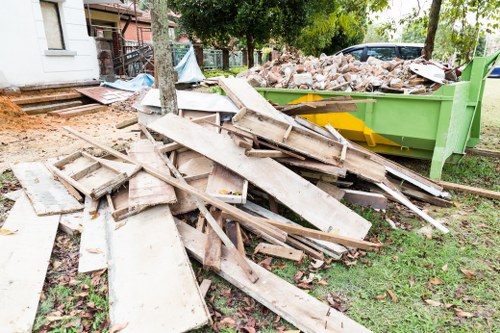
Handling techniques must reduce strain and prevent injury. Staff should use correct lifting methods, mechanical aids, and team lifting where necessary. Loads should be kept within safe limits, and items should be moved in a stable and organised way. Equipment used in waste disposal operations must be suitable for the task, maintained in good condition, and checked before use. Faulty tools or overloaded vehicles create avoidable hazards and must be taken out of service immediately.Personal protective equipment is a vital control measure. Depending on the task, this may include gloves, safety boots, high-visibility clothing, eye protection, or respiratory protection. PPE should always be selected to match the specific risks involved in rubbish removal and must be worn correctly. However, PPE should be seen as the last line of defence, not the only one. Safer planning, cleaner work areas, and better handling practices remain the primary safeguards.
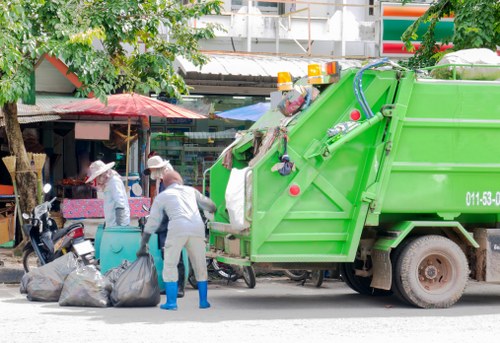
Vehicle safety is equally important. Drivers and loaders must ensure that vehicles are not overloaded and that loads are properly secured before departure. Reversing, parking, and moving in shared spaces require heightened attention because pedestrians, customers, and other road users may be nearby. Any junk removal activity involving a vehicle should follow agreed procedures for loading zones, visibility, and communication between team members.
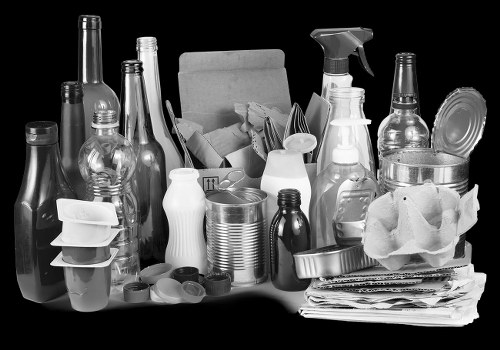
When waste is transported or transferred, segregation is essential. Recyclable materials, general waste, bulky items, and potentially hazardous waste must not be mixed inappropriately. This supports safer handling and helps prevent contamination or accidental exposure. A reliable waste management process should include checks at the point of collection and again before disposal to confirm that all materials are handled in the correct way.

Incident Prevention and Reporting
Accidents, near misses, and unsafe conditions must be reported immediately so that action can be taken without delay. Early reporting supports investigation and helps prevent similar incidents from happening again. A strong waste removal policy depends on openness, learning, and improvement. No concern is too small if it could affect the safety of people or the integrity of the work.Emergency preparedness is another key part of this policy. Teams should know how to respond to spills, sharp-object injuries, fire risks, vehicle incidents, and exposure to unknown substances. Suitable first aid arrangements and clear escalation steps must be in place before work starts. In commercial waste removal and domestic settings alike, a calm and practiced response can limit harm and prevent a minor issue from becoming a serious one.
Training and competence are central to effective risk control. All staff should receive induction training and refresher instruction that reflects the tasks they perform. This includes safe lifting, hazard recognition, communication, waste segregation, and the correct use of equipment. A well-trained team is better able to manage the challenges involved in property clearance, site clearance, and other waste-related work.
Monitoring and Continuous Improvement
This policy will be monitored through supervision, inspection, and regular review. Working practices should be checked to ensure that procedures are being followed and that controls remain effective. Where improvements are identified, they should be implemented promptly. A proactive waste removal service should never rely on past success alone; it must continue to adapt to changing materials, working conditions, and expectations.Environmental care is closely linked to health and safety. Waste should be handled in a way that supports lawful disposal, responsible recycling, and reduced contamination. By maintaining clean work areas and separating materials properly, the risk of slips, trips, and other incidents is lowered. In this way, waste clearance services protect both people and surroundings while maintaining professional standards.
All personnel are expected to understand this policy, comply with it, and contribute to a safe working culture. Health and safety is a shared responsibility that depends on attention, discipline, and continuous improvement. Through careful planning and consistent standards, waste removal operations can be carried out safely, efficiently, and with respect for everyone involved.