Flat Clearance in London
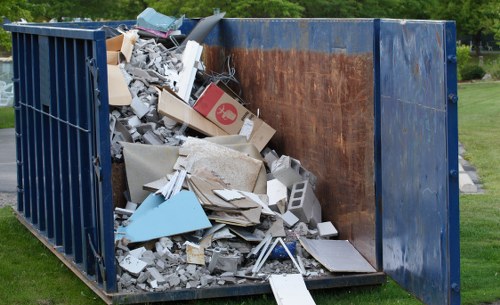
Reliable flat clearance for homes and businesses across London
When you need flat clearance in London, you usually need more than a van and a few extra hands. You need a local team that understands busy streets, tight stairwells, lift access, controlled parking, and the practical realities of working in everything from period mansion blocks to modern apartment buildings. Whether you are clearing a one-bedroom flat in Islington, an estate property in Southwark, a riverside apartment in Battersea, or a converted warehouse in Hackney, the right service should make the whole process feel manageable from the first enquiry to the final sweep-up.
Flat clearance can be required for many reasons. You may be moving out and need everything removed before the end of a tenancy. You may be dealing with a bereavement and want a respectful, organised clear-out. You may be renovating, downsizing, or emptying a rental property between occupants. In a city like London, where space is limited and access can be complicated, a dependable clearance service saves time, reduces stress, and helps you get the job done safely and efficiently.
Book your service now if you want a straightforward, local solution that fits the realities of London living. A good clearance team will work around building rules, collection times, and access restrictions, while keeping your property, communal areas, and neighbouring residents in mind.

What flat clearance includes
Flat clearance is more than simply taking unwanted items away. It is a structured removal service designed for residential flats, apartments, maisonettes, and converted properties where access and handling matter. Depending on your needs, the service may cover a single room, part of a flat, or an entire property cleared from top to bottom.
Typical items removed during a London flat clearance can include furniture, white goods, mattresses, appliances, boxed household items, clothing, books, electronics, carpets, shelving, and general clutter. Many customers also request the removal of items from loft storage, balconies, cupboards, and communal storage rooms. For commercial customers, the service can also support the clearing of small offices, studio spaces, short-let apartments, and mixed-use premises.
The aim is to leave the property ready for its next stage. That may mean preparing for a sale, handing keys back to a landlord or managing agent, making room for decorators, or getting a flat ready for cleaning and inspection. In many cases, customers want the work completed with as little disruption as possible, especially in densely populated parts of London where neighbours, access times, and loading restrictions all need to be considered.
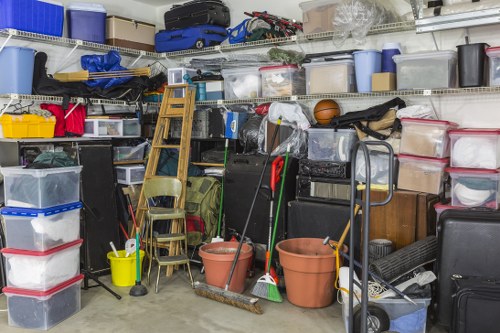
Why local London knowledge matters
London is not one-size-fits-all. Clearing a flat in a Victorian terrace conversion in Clapham is very different from working in a modern tower in Canary Wharf or a mansion block near Kensington Gardens. The best results come from a team that already understands the typical property layouts, the parking challenges, and the building access requirements that are common across the city.
Local knowledge matters because it affects planning and speed. A clearance crew familiar with London streets can anticipate whether there is a loading bay, whether permits may be required, whether a basement flat has narrow access, or whether lift protection and stair carrying will be needed. In many areas, timing is critical too. Busy roads, congestion, resident permit zones, and controlled parking hours can all shape how a clearance is arranged.
That is why customers looking for flat clearance London services often prefer a company that works across the capital every week rather than a team that only occasionally comes into the city. A local crew is better placed to plan the job properly, communicate clearly, and complete the work with less hassle for you and the building around you.
Common reasons people arrange flat clearance
There are plenty of real-life situations where a flat clearance service becomes the practical choice. Some customers need help because they have too much to move on their own. Others are facing a deadline, such as the end of a tenancy or completion on a sale. In many cases, the property contains bulky furniture or years of accumulated belongings that would be difficult to remove without support.
Flat clearance is often requested after a long stay in one property, following a family move, when clearing a flat after a bereavement, or when a landlord needs a quick and orderly turnaround between tenants. It can also be useful for people leaving London, student renters moving out at the end of term, and homeowners tackling a long-overdue declutter before refurbishment.
Whatever the reason, the service should be handled with care and organisation. Request a free quote when you are ready to discuss the size of the job, access arrangements, and the type of items to be removed. That first conversation helps ensure the right vehicle, team size, and timings are put in place.
Residential flat clearance situations
- End-of-tenancy clearances for tenants and landlords
- Clearing a flat before sale or viewings
- Removing furniture after a downsizing move
- Bereavement clearances carried out with sensitivity
- Decluttering before renovation or decorating
- Removing leftover items from a short-let or holiday rental
Commercial and property management needs
- Emptying small offices or studio flats used for business
- Clearing furnished rental properties between occupants
- Preparing a flat for refurbishment or handover
- Removing abandoned items after tenancy changes
- Supporting estate agents and letting agents with quick turnarounds

How the service works
A well-run flat clearance should feel simple. The process usually begins with an enquiry where you describe the property, the items involved, and any access or timing concerns. In London, this is especially important because small details can affect the whole job. For example, a top-floor flat with no lift in Greenwich will need different planning from a ground-floor apartment near London Bridge with direct loading access.
Once the job details are understood, the next step is usually a tailored quote based on what needs to be removed and how difficult the clearance may be. If your property is in a busy area such as Camden, Soho, Westminster, Shoreditch, or Hammersmith, the team may also factor in parking, traffic, or building entry requirements. The aim is to provide a realistic plan rather than an off-the-shelf approach.
On the day of the clearance, the team will normally arrive with the equipment needed to remove items safely and efficiently. This may include sack trucks, protective materials, tools for dismantling furniture, and appropriate vehicles for loading. Items are then removed from the flat, taken down stairs or via lifts where permitted, and loaded with care to avoid damage to walls, corridors, and flooring.
Typical steps in a flat clearance
- Discuss the property, items, and access details
- Receive a quote based on the actual requirements
- Agree a suitable date and arrival window
- Prepare the flat and any items you want to keep
- Complete the clearance efficiently and safely
- Leave the space tidy and ready for its next use
What helps the day run smoothly
Clear access is one of the biggest time-savers. If hallways, lifts, and front doors are free from obstacles, the crew can work far more efficiently. It also helps to let the building manager or concierge know the booking details if required, especially in developments with strict access rules. In many London blocks, those small preparations prevent delays and reduce disruption to other residents.
What can be removed during a flat clearance?
Most flat clearance jobs involve a mix of furniture, general household contents, and bulky items. The exact scope will depend on what is inside the property and what you want to keep. Some customers need almost everything removed. Others only want certain rooms cleared or specific categories taken away. A flexible service should adapt to either situation.
Items commonly removed include sofas, beds, wardrobes, tables, chairs, mattresses, cabinets, desks, rugs, appliances, boxes, kitchenware, books, toys, and mixed household clutter. In many London flats, people also ask for the removal of items from balconies, sheds, storage cupboards, or basement store areas. Where permitted, a clearance team may also dismantle larger furniture to get it out through narrow hallways or awkward staircases.
It is always worth speaking clearly about anything that should stay in the property. If you are sorting belongings for family members, sharing ownership of items, or preparing the flat for inventory checks, separating what remains from what goes can save time on the day. A professional team will respect those instructions and work around them.
Preparation checklist before your clearance
A little preparation can make the entire process quicker and less stressful. You do not need to empty the property yourself, but it helps to have a few key things sorted before the team arrives. That is particularly true in London flats where access windows may be limited and there may only be a short slot available for parking or use of a service lift.
Before the appointment, take time to identify any items you want to keep, important documents, valuables, and sentimental belongings. If there are items that should stay for the landlord, management company, or new occupier, make that clear in advance. It is also useful to check whether there are any building rules about movers, lift bookings, or noise restrictions.
For many customers, the goal is not to do the heavy lifting themselves but to make the clearance process as efficient as possible. A bit of order at the start can reduce confusion and help the team complete the job in fewer trips.
- Separate items you want to keep from items to be cleared
- Remove valuables, documents, and personal paperwork
- Check for building access rules, lift booking, or permit needs
- Tell the team about parking restrictions or loading bay time limits
- Let them know if there are fragile areas such as glass doors or narrow staircases
- Arrange keys, concierge access, or entry instructions in advance

Pricing factors for flat clearance in London
Every flat clearance is different, so pricing usually depends on the specific details of the job rather than a simple one-size-fits-all figure. That is especially true in London, where access conditions and parking can have a real impact on labour and vehicle planning. A one-bed flat with straightforward entry in Ealing may be very different from a third-floor conversion in Fulham or a tightly packed apartment block in Tower Hamlets.
Important factors often include the volume of items, the number of rooms, whether the property is furnished or partly cleared already, and how easy it is to reach the flat. Stairs, lifts, distance to the vehicle, and the need to dismantle large furniture can all affect the work involved. If the job includes mixed materials, heavy appliances, or awkward items stored in multiple rooms, that may also shape the quote.
Some customers ask about same-day or urgent clearances, which may be possible depending on availability and the size of the job. Others need the work timed around tenancy deadlines, cleaning appointments, probate arrangements, or refurbishment schedules. The best approach is to provide accurate details at the beginning so the quote reflects the real work needed.
Factors that may influence the quote
- Size of the flat and number of rooms
- Amount and type of items to remove
- Access conditions, including stairs and lift use
- Parking availability and distance to loading points
- Need for furniture dismantling or extra handling care
- Urgency and preferred date for completion
Why choose a local company for London flat clearance?
Choosing a local company is about practicality, not just convenience. London flats often sit within controlled parking areas, estates with access procedures, or streets where stopping briefly can be difficult. A team that works in the city regularly will already understand those pressures and can plan accordingly. That means less waiting around, fewer surprises, and a smoother experience for you.
Local teams are also better suited to the variety of property types across the capital. From riverside developments in Wandsworth and Southwark to older conversions in Highbury, Bethnal Green, or Brixton, every building has its own quirks. Experienced clearance crews know how to move items carefully through shared entrances, protect common areas, and work respectfully around neighbours.
For landlords, letting agents, and property managers, that local responsiveness can be especially useful. If you need a flat cleared between tenancies, before deep cleaning, or ahead of new marketing photos, a nearby team can often organise the job more quickly and with less administration.
Benefits customers often value
Speed, reliability, and local understanding are among the biggest reasons people book a nearby team. You also benefit from better planning around access and parking, a more personal approach to the job, and a service that is used to the realities of London property management. In short, you get a clearance service that is built around the way the city actually works.
Areas covered across London
Flat clearance services are commonly requested across Central, North, South, East, and West London, as well as the surrounding inner and outer boroughs. Because flats are found everywhere in the city, a flexible team should be able to help with jobs in both busy urban areas and quieter residential streets.
Customers often enquire from neighbourhoods such as Camden, Islington, Hackney, Haringey, Greenwich, Lewisham, Lambeth, Wandsworth, Chelsea, Kensington, Westminster, Tower Hamlets, Newham, Southwark, Barnet, Ealing, Hounslow, Brent, and Richmond. The exact service area may vary, but the key point is that a London-based provider should be comfortable with the parking rules, road layouts, and building access patterns common to these districts.
If your flat is in an estate, a mansion block, a converted house, or a modern apartment building, local experience makes a noticeable difference. It helps the team arrive prepared, work efficiently, and minimise disruption from start to finish.
Typical property types supported
- Studio flats and one-bedroom apartments
- Purpose-built blocks and housing estates
- Victorian and Edwardian conversions
- Modern developments and high-rise apartments
- Maisonettes and split-level flats
- Short-let and rental apartments
What makes a good flat clearance service?
Customers usually want a service that is straightforward, respectful, and efficient. They also want to know that the team will handle the property carefully and keep them informed. Clear communication matters from the first enquiry through to the final collection of items. If there are stairs, parking limits, or building rules, those details should be discussed early so nothing is left to chance.
A strong service should also feel adaptable. Some customers need a full emptying of the flat, while others only need a few large items removed. Sometimes the work is urgent; sometimes it needs to be timed around a probate solicitor, landlord inspection, or cleaning company. A reliable provider will work with those realities rather than forcing every job into the same pattern.
Equally important is respect for the property and the people using it. In London, flats are often close together, and shared corridors or lifts can be sensitive areas. Careful handling, tidy loading, and considerate behaviour go a long way towards making the experience better for everyone involved.
Frequently asked questions
Do I need to move items outside before the team arrives?
No, not usually. Most customers book flat clearance because they want help with the heavy lifting as well as the transport. It does help if you have already separated anything you want to keep, but the crew should be able to remove items directly from the flat.
Can you clear a flat with no lift?
Yes, many London flats are in buildings without lifts. That is common in older conversions and walk-up blocks. Just make sure to mention the floor level and any difficult stairs when requesting a quote, as this can affect planning and the time needed.
What if the property is in a controlled parking zone?
That is very common in London. Let the team know about parking restrictions, permits, loading bays, and time windows so the visit can be arranged properly. In some areas, precise timing is essential to avoid delays.
Can you work in occupied flats?
Yes, if the job only involves certain rooms or selected items, clearance can often be carried out while the property is still occupied. It is helpful to make clear which rooms are off-limits and what should remain in place.
Do you clear flats for landlords and managing agents?
Yes. Flat clearance is frequently arranged for landlords, estate agents, and managing agents who need a property emptied between tenancies or prepared for refurbishment. Clear instructions and a good handover usually make these jobs run smoothly.
Is the service suitable for bereavement clearances?
Yes. Many families need a respectful and orderly clear-out after a bereavement. These jobs are often handled with extra care, and it helps to discuss any items that should be set aside for family members before the work begins.
When to book your flat clearance
The best time to book is as soon as you know you will need the service. If you are working to a tenancy end date, a sale completion, or a move-out deadline, early booking gives more flexibility with timing. It also allows the team to plan around parking restrictions, building access, and the amount of waste or furniture that needs to be removed.
That said, urgent clearances are often requested in London because property schedules can change quickly. If you need a flat cleared at short notice, it is still worth asking. The more detail you can provide about the property, the items inside, and the access situation, the easier it is to arrange a practical solution.
Contact us today to discuss your flat clearance needs, get a free quote, and arrange a convenient appointment. Whether you are clearing a single room or an entire flat, a local London team can help take the pressure off and get the job done properly.
Final thoughts on choosing flat clearance in London
Flat clearance is one of those services that seems simple at first glance but quickly becomes complicated when stairs, parking, building access, and timing are added to the mix. In London, those factors matter a great deal. A local service built around the realities of city properties is the most practical way to clear a flat without unnecessary stress.
Whether you are a tenant, landlord, homeowner, family member, or property manager, the right approach is to choose a team that communicates clearly, works carefully, and understands the layout and pace of London living. From small studio apartments to larger multi-room flats, a well-organised clearance can help you move forward quickly and with far less disruption.
If you are ready to arrange flat clearance in London, reach out now to request a quote and book your service. The sooner the details are shared, the easier it is to plan a smooth, efficient clearance that suits your property and your schedule.