Probate House Clearance in London
When a property has been left to deal with after a bereavement, the practical tasks can feel overwhelming. Sorting belongings, clearing rooms, arranging access, and deciding what should be kept, donated, recycled, or removed can be emotionally and physically demanding. Our probate house clearance in London service is designed to make that process calmer, more organised, and more manageable for families, executors, solicitors, landlords, and estate administrators who need a reliable local team to handle the clearance properly.
Whether the property is a compact flat in Islington, a family home in Wimbledon, a terraced house in Hackney, or a long-held estate property in a quieter part of outer London, probate clearance often involves more than simply emptying a house. It may require careful item separation, sensitive handling of personal possessions, support with staged clearances, and attention to building access restrictions, parking, and timing. We work with the realities of London properties every day, and that local experience makes a real difference.
From the first enquiry through to final removal, the aim is to reduce pressure at a difficult time. We help customers decide what happens to furniture, white goods, paperwork, clothing, ornaments, books, and general contents, while keeping the process respectful and practical. If you need probate house clearance London services for a home, apartment, or estate property, contact us today to request a free quote and discuss the most suitable approach for the property.

What probate house clearance means in practice
Probate clearance is not the same as a routine rubbish removal or a standard move-out service. It usually takes place when a property needs to be emptied for legal, practical, or administrative reasons after someone has died. In many cases, the home cannot be sold, rented, handed back to a landlord, or prepared for valuation until the contents have been sorted and removed.
A proper probate service is built around care and discretion. Some items may have sentimental value and need to be set aside for family members. Others may need to be recorded for executors or the solicitor handling the estate. In some situations, the property is still being accessed by relatives, and rooms need to remain untouched until everyone has had the chance to review belongings. A sensitive, well-organised clearance team understands those needs and works around them.
London properties add extra layers of complexity. Many homes have narrow staircases, basement rooms, loft spaces, limited parking, lift restrictions, shared entrances, or controlled access on estates. There may be busy roads, timed loading bays, or rules from the freeholder or building management. A local team familiar with these issues can plan the clearance around them rather than treating every job the same.
Common reasons people arrange probate clearance
- Preparing a property for sale or valuation
- Emptying a house before transfer to beneficiaries
- Supporting executors with estate administration
- Clearing a rental property after probate is granted
- Removing contents from long-unused rooms, garages, lofts, or sheds
- Sorting items that will be kept, donated, reused, or disposed of
Because each estate is different, the service should be flexible. Some customers need a full house clearance. Others only need selected rooms, large furniture, or attic and basement items removed. A good local provider will adapt to the property, the timeline, and the instructions provided by the family or executor.

Why a local London team is useful
Choosing a team that regularly works across London can save time and stress. Local knowledge helps with access planning, parking arrangements, and timing around traffic or building rules. That matters whether the property is in Camden, Clapham, Greenwich, Ealing, Lewisham, Battersea, Harrow, or somewhere in between.
In central and inner London, the practical challenges can be significant. A top-floor flat in a mansion block may need careful carrying routes. A mews property may have limited loading space. A converted house may have tight hallways and awkward turns. An estate flat might require permission for vehicle access or use of communal lifts. These details may seem small, but they affect how smoothly the clearance runs and how much disruption is created for neighbours or residents.
Local experience also helps with realistic scheduling. Probate cases can involve urgent deadlines due to property sales, tenancy issues, insurance requirements, or solicitor timelines. A London-based clearance team is often better placed to arrange a suitable visit, provide an accurate assessment, and work efficiently on the day without wasting time getting familiar with the area.
What London customers often need
Practical support is often just as important as physical removal. Families may need help identifying which rooms should be tackled first, whether anything should be boxed and retained, and how to keep items organised for later review. Executors often want a clear process that leaves the property ready for the next stage without unnecessary delays.
Respectful handling matters too. Probate clearances frequently involve personal and sentimental belongings, and customers want reassurance that the home will be treated carefully. A professional team will avoid rushing, communicate clearly, and work methodically so that the process feels controlled rather than chaotic.
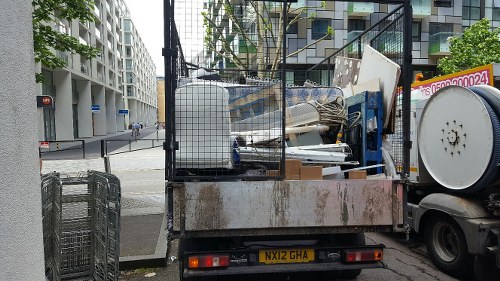
What is included in probate house clearance
A probate house clearance service can be tailored, but most customers want to know what is normally covered. While every property is different, the work often includes the sorting, lifting, removal, and responsible handling of household contents. The goal is to leave the premises in the agreed condition for sale, inspection, handing over, or further works.
Depending on instructions, the clearance may involve individual rooms or the entire property. This can include front and rear gardens, sheds, garages, lofts, cellars, utility spaces, cupboards, and storage areas. In London, where many homes have more hidden storage than they first appear to, these extra spaces can take significant time and need careful attention.
Most customers also want clarity around what happens after items are removed. Useful pieces may be separated for family collection, reuse, donation, or recycling where suitable. Non-reusable items are taken away through appropriate disposal routes. If paperwork, photographs, valuables, or personal items are found during the process, these should be flagged and handled in line with the instructions given.
Typical items cleared during probate work
- Furniture such as beds, wardrobes, sofas, tables, and cabinets
- Kitchen items, crockery, and small appliances
- Clothing, bedding, books, and household textiles
- Decorative items, ornaments, and framed pictures
- General household waste and mixed contents
- Garages, loft contents, and garden storage items
- White goods and larger domestic appliances
Some families ask for a partial clearance first, followed by a full clearance later. That can be a good option when relatives need time to sort personal possessions before the property is emptied. Flexibility matters, especially when several people are involved in deciding what stays and what goes.

How the service works
The process should be straightforward from the first discussion. For most customers, the first step is a site visit or detailed discussion about the property, access, and the amount of contents involved. This helps establish what is required and whether the clearance needs to be done in one visit or split into stages.
After that, a plan is agreed. This might include room-by-room clearance, item separation, loading arrangements, parking considerations, and timing. In many London streets, vehicle access and parking are important, so a local team will often take these factors into account before the work begins. Where possible, they will plan the most efficient route to and from the property to reduce disruption.
On the day of the clearance, the team works through the agreed areas, removing items carefully and keeping any instructions in mind. If anything unexpected is discovered, such as important paperwork or items that appear to be of value or significance, these should be set aside rather than removed automatically. Once the work is complete, the property is checked to ensure the agreed clearance scope has been carried out.
Step-by-step overview
- Initial enquiry and discussion about the property
- Assessment of contents, access, and timing
- Clearance plan agreed with the customer or executor
- Removal of agreed items and contents
- Sorting for reuse, donation, recycling, and disposal where appropriate
- Final check of the cleared spaces
If you are working to a deadline for estate agents, solicitors, landlords, or maintenance contractors, it is worth saying so early. That allows the clearance schedule to be planned around the wider property timeline. Request a free quote and explain your deadline so the job can be assessed properly.

Preparing for a probate clearance
Many customers are unsure what they need to do before the team arrives. The good news is that probate clearance services are designed to reduce the burden, not add to it. However, a little preparation can make the process smoother and help protect important items.
Before the clearance, it is sensible to identify anything that must not be removed. That may include legal documents, bank paperwork, passports, wills, photo albums, jewellery, keys, or items that family members have already agreed to keep. If different relatives are taking responsibility for different possessions, it helps to label or separate those items beforehand if possible.
If the property has security concerns, alarm codes, shared entrance rules, or specific access times, these should be shared in advance. In London, arrangements for resident permits, loading bays, concierge desks, and building management approval can affect the job. Giving this information early helps avoid delays on the day and ensures the work can be completed as smoothly as possible.
Useful preparation checklist
- Set aside documents, keys, and important personal items
- Identify anything the family wants to keep
- Confirm access arrangements for the property
- Check whether parking permits or loading permissions are needed
- Let the team know about lofts, basements, sheds, or locked rooms
- Advise if the property has fragile fixtures or restricted areas
Tip: If several family members are involved, one point of contact can help prevent confusion. That person can confirm instructions, answer questions, and make decisions if the team finds anything that needs attention during the clearance.
Pricing factors for probate house clearance in London
Customers often ask what affects the cost of a probate clearance. It is sensible to expect variation from one property to another, because no two jobs are the same. The main factors usually relate to the size of the property, the amount of contents, the access conditions, and any special handling requirements.
For example, a second-floor flat with no lift and limited parking in a busy part of London will usually take longer to clear than a small ground-floor property with easy access. Similarly, a property that includes loft rooms, an outbuilding, a packed garage, or several years of accumulated belongings may require more time and labour than a property with only a modest amount of furniture left.
Other factors may include whether items need to be sorted into keep, remove, donate, or recycle categories; whether there are multiple collection points within the property; and whether there are time constraints linked to probate, sale, or tenancy arrangements. A clear assessment at the start helps avoid surprises and gives you a more realistic idea of what the work will involve.
Typical factors that influence the quote
- Property size and number of rooms
- Volume and type of contents
- Floor level, stairs, and lift access
- Parking or loading restrictions
- Need for staged clearance or item separation
- Presence of lofts, cellars, garages, or sheds
- Urgency and scheduling requirements
A trustworthy provider will explain what is included and what may affect the final arrangement before any work begins. That gives executors, families, and solicitors confidence when planning the next steps for the property.
Why customers choose a professional probate clearance service
Handling probate clearance alone can be physically demanding and emotionally draining. It can also take much longer than expected, particularly in a London property where access is awkward or the contents are extensive. A professional team removes the burden of heavy lifting, transport, and disposal planning, while giving you support with sorting and organisation.
There is also an important practical side. Probate properties often need to be cleared carefully to avoid accidental loss of important items. A rushed approach can create problems later, especially if family members realise something significant has been removed too soon. A proper service reduces that risk by working systematically and following the agreed instructions.
Customers also value the reassurance of having one reliable point of support for the job. Instead of coordinating several people, vehicles, and disposal arrangements, you can rely on a single local service to manage the clearance in a structured way. That can make a difficult estate task feel much more manageable.
Benefits of using a local probate clearance team
- Less stress at an already difficult time
- Careful handling of personal and sentimental items
- Better understanding of London access issues
- Efficient scheduling for urgent property timelines
- Support with full or partial clearances
- Practical help for executors, families, and landlords
Types of London properties we regularly clear
London is diverse, and probate properties come in many forms. Some are large period houses with multiple floors and rooms full of long-held belongings. Others are compact flats in purpose-built blocks, retirement properties, ex-local authority homes, or converted buildings with difficult stair access. Each type of property calls for a slightly different approach.
In central areas such as Westminster, Kensington, Chelsea, and the City fringe, access can be tightly controlled and timing needs to be organised carefully. In boroughs such as Waltham Forest, Haringey, Brent, Southwark, and Hammersmith & Fulham, the challenge may be more about parking, busy streets, and shared entrances. In outer boroughs, properties may have larger gardens, garages, lofts, or multiple outbuildings that need attention.
We also assist with probate clearances for commercial or mixed-use premises where domestic contents remain on site after a death or estate transition. This can include small offices above shops, live-work units, storage rooms, or properties with both household and business items that need to be separated carefully.
Property types often involved
- Terraced and semi-detached houses
- Purpose-built flats and mansion blocks
- Converted buildings and split-level homes
- Retirement apartments and sheltered housing
- Estate properties with multiple storage areas
- Mixed-use premises and small commercial spaces
Areas covered across London
Our service is available across Greater London, including central, north, south, east, and west areas. Customers often enquire from places such as Camden, Westminster, Islington, Hackney, Tower Hamlets, Southwark, Lambeth, Greenwich, Lewisham, Wandsworth, Merton, Hounslow, Ealing, Brent, Barnet, Richmond, Kingston, Croydon, Redbridge, Newham, and many surrounding districts.
We also cover local neighbourhoods and nearby streets where access can be tighter and property layouts more varied. Whether the property is in a busy high street location, on a residential estate, near a station, or in a quiet suburban road, having a team that knows how to work in London helps keep the clearance organised and efficient.
If you are unsure whether your area is covered, the simplest option is to contact us and request a quote. Local availability may vary depending on the size of the job and timing, but London probate clearances are a core part of what we do.
Frequently asked questions
Do I need probate before arranging the clearance?
In many cases, the timing depends on the legal status of the estate and the instructions from the executor or solicitor. Some properties can be reviewed or partially sorted earlier, while full clearance usually follows the appropriate authorisation. If you are unsure, speak with the person responsible for the estate before making arrangements.
Can you clear only part of the house?
Yes. Many customers ask for a partial clearance first, especially when relatives need time to decide what to keep. You may want only furniture removed, just the loft emptied, or one floor cleared while other rooms remain untouched. Partial work can be a very practical option during probate.
What happens to items that might be useful to family members?
Those items should be separated in advance where possible, or clearly identified at the start of the job. If anything is discovered during clearance that appears suitable to keep or review, it should be set aside rather than removed immediately, depending on the instructions given.
Can you help with properties that have awkward access?
Yes. London homes often have access challenges such as stairs, narrow hallways, controlled entry systems, and parking limits. These are common issues, and a local team can plan for them in advance.
Is probate house clearance suitable for landlords or agents too?
Yes. Although the service is often arranged by families or executors, it is also useful for landlords, letting agents, property managers, and solicitors who need a property prepared for the next stage after an estate matter.
Do you handle lofts, basements, sheds, and garages?
Absolutely. These spaces are often full of old belongings, tools, paperwork, and stored furniture. They can take time to sort and clear, but they are commonly included in probate clearances.
Choosing the right service for a sensitive property
When arranging probate house clearance in London, it helps to choose a company that understands the difference between clearing a property and dealing with a family home that has personal meaning. The right service should be organised, respectful, and flexible enough to work around the needs of executors and relatives.
You should expect clear communication, an assessment based on the actual property, and a team that can explain how the work will be approached. If you need the home cleared before valuation, cleaning, refurbishment, or sale, it is sensible to ask about timing and the likely sequence of work before booking.
Book your service now if you are ready to move forward, or request a free quote if you need a clearer idea of the job size and the best way to proceed. The sooner the property is assessed, the easier it is to plan the estate timeline with confidence.
Final thoughts
Probate can be a demanding time, and dealing with a property full of belongings is often one of the hardest parts. A thoughtful, local probate house clearance London service gives you a practical way to manage that task without taking on every detail yourself. With the right support, it becomes easier to sort the contents, protect important items, prepare the property, and move on to the next stage of the estate process.
Whether the job involves a flat in a busy borough, a house with several generations of possessions, or a property that needs to be cleared quickly and carefully, a professional London team can help make the work more manageable. If you need support with a probate property anywhere across the city, contact us today to discuss your requirements and arrange a suitable visit.