White Goods Recycle in London
If you need a reliable way to get rid of old kitchen appliances, White Goods Recycle in London is a practical service built for busy homes, landlords, letting agents, offices, and commercial premises. From a fridge that has stopped cooling to a washing machine that no longer drains, bulky appliances are awkward, heavy, and often not suitable for regular household waste collections. A local recycling and removal service helps you clear space quickly while making sure items are handled responsibly.
Across London, households and businesses deal with the same challenge: white goods are large, difficult to move, and often stored longer than they should be because they are inconvenient to dispose of. Whether you live in a flat in Islington, a townhouse in Clapham, a terrace in Walthamstow, or manage a busy unit in Southwark, arranging the right collection can save time, reduce stress, and help you stay compliant with local waste rules. This page explains what the service includes, how it works, what affects cost, and how to prepare for a smooth collection.
Choosing a local team matters. London properties can bring narrow stairwells, controlled parking zones, lift restrictions, estate access rules, and tight time windows for loading. A service that understands the city’s layout is often the difference between a smooth pickup and a frustrating delay. If you are looking to recycle a single appliance or arrange multiple items from a property clearance, you can request a free quote and book your service now when the timing suits you.
Why White Goods Recycling Matters in London
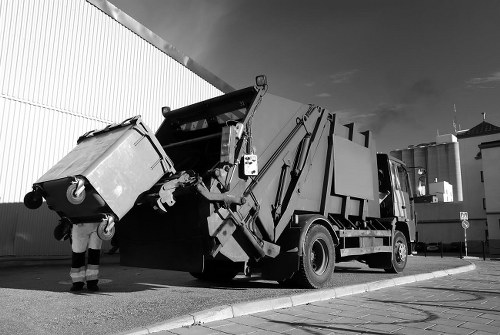
White goods are a part of everyday life, but once they reach the end of their useful life, they need handling with care. Items such as fridges, freezers, ovens, dishwashers, washing machines, tumble dryers, and cookers contain materials that should not simply be left on the pavement or dumped in a skip without proper planning. Recycling helps recover usable metals and components, while ensuring any hazardous parts are processed correctly.
In a city as densely populated as London, unwanted appliances can quickly become a practical problem. A broken freezer left in a hallway can block access. An old cooker in a garden can take up valuable space. In rental properties, landlords may need to remove faulty appliances before new tenants move in. In commercial premises, keeping storage areas clear is essential for safety and day-to-day operations. White goods recycle in London services are designed to tackle these issues promptly and responsibly.
There is also an environmental side to consider. Many appliances contain recyclable metals such as steel and aluminium, plus plastics and wiring that can be processed rather than wasted. Some items may include gases or oils that need specialist handling. Using a proper recycling route helps reduce landfill use and supports a more circular approach to household and commercial waste. For local customers, that means less hassle and a more responsible outcome.
What We Collect
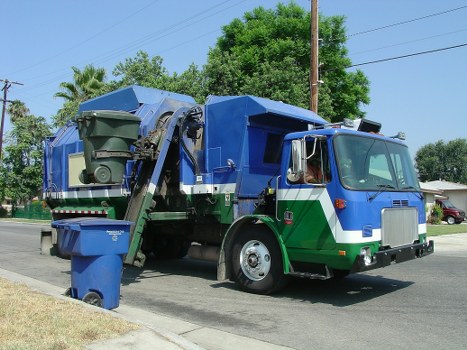
Most local customers need help removing bulky appliances that are too heavy, too awkward, or simply too far past repair. A white goods recycling service typically covers a wide range of domestic and commercial appliances, with careful handling from pickup to final processing.
- Fridges and fridge-freezers
- Freezers and chest freezers
- Washing machines and washer-dryers
- Tumble dryers
- Dishwashers
- Electric and gas ovens
- Hobs and cookers
- Microwaves and small kitchen appliances where included
- Broken or unwanted integrated appliances
- Commercial catering equipment in suitable cases
Some customers only need a single appliance collected after a replacement delivery. Others want several items removed during a kitchen refit, end-of-tenancy clearance, office upgrade, or property refurbishment. If you have built-in units, stacked machines, or appliances in a basement or upper-floor flat, it is worth mentioning that in advance so the team can plan the right approach.
Note: certain specialist items or contaminated appliances may need separate arrangements. A local provider can explain what can be taken, what needs special handling, and how best to prepare the area for access.
How the Service Works
The process is designed to be simple for customers. You do not need to do the heavy lifting yourself, and you do not need to worry about transport, disposal routes, or where the appliance will end up. A clear, customer-focused process makes it easier to get an old item out of the way without disrupting your day.
Step 1: Tell us what needs removing
Start by letting the team know which appliances you want collected, where they are located, and any access details that could affect the visit. For example, is the fridge on the third floor? Is there lift access? Is parking limited outside? Is the appliance already disconnected? These small details help the collection run on time.
Step 2: Receive a quote
Once the job details are clear, you can request a quote based on the number of items, the type of appliances, and the access conditions. If several items need to go, it may be more efficient to have them collected together rather than separately. That is often useful for landlords, managing agents, and small businesses clearing out stockrooms or staff kitchens.
Step 3: Collection and removal
On the agreed day, the team arrives to remove the appliance(s) from the property. This may involve navigating stairs, tight landings, shared entrances, or estate courtyards. Careful lifting and protective handling are important, especially in homes with wooden flooring, narrow door frames, or communal hallways.
Step 4: Responsible recycling
After collection, the items are taken for sorting and recycling where they can be processed in line with applicable waste procedures. Usable components and recyclable materials are separated, and any unsuitable material is managed appropriately. That gives customers peace of mind that the job has been handled properly from start to finish.
What Is Included in a White Goods Recycling Collection

A professional appliance recycling service is more than just a pickup. It is a practical removal solution that reduces the burden on households and businesses. When you arrange white goods recycling in the capital, it helps to know exactly what is usually included so there are no surprises on the day.
Typical service features
Collection from your property, whether that is a flat, house, shop, office, restaurant, or rental unit. The team can usually remove items from kitchens, utility rooms, garages, basements, outbuildings, or ground-floor storage areas. If appliances need to come from higher floors, this should be discussed in advance so the right equipment and timing can be arranged.
Loading and transport of the unwanted appliance(s) using suitable vehicles and safe handling methods. Large items are difficult to move alone, especially if they are wet, stuck into a fitted space, or positioned in a tight corridor. Professional removal avoids damage to the appliance, the property, and the people moving it.
Recycling-focused disposal rather than simple dumping. White goods contain metals and components that should be separated where possible. Responsible processing helps reduce the amount of waste sent to landfill and supports better material recovery.
Flexible help for different property types. London customers often need collections from Victorian conversions, mansion blocks, new-build apartments, commercial kitchens, and shared accommodation. Each setting has different access and parking considerations, so a good service adapts to the location.
Optional job types many customers ask about
- Single-item collections after a replacement purchase
- Multiple appliances from end-of-tenancy clearances
- Removal of broken white goods during refurbishments
- Scheduled collections for landlords and letting agents
- Commercial appliance clearance from offices, cafes, and hospitality spaces
Why London Customers Choose a Local Team
London is not a one-size-fits-all environment. A collection from a terraced street in Hackney is very different from a removal in a gated apartment block in Battersea or a commercial unit in Camden. Local experience matters because the job often depends on practical knowledge of the area, the property type, and the access available at the time of collection.
Parking restrictions can be one of the biggest barriers. Controlled parking zones, permit bays, loading bays, and busy high streets can all affect how quickly a team can complete the job. In some neighbourhoods, the nearest legal parking space may be a short walk away. A local provider familiar with London’s layout can plan around these challenges and reduce delays.
Access is another key reason. Many London homes have stairs, narrow entrances, shared internal areas, or no lift access at all. Appliances may need to be moved through tight spaces without marking walls or flooring. A local service that regularly works in the city is better prepared for those conditions and more likely to bring the right number of people to complete the job safely.
Residential and commercial customers both benefit from the same practical advantages: quicker response times, more realistic scheduling, and less wasted effort. For busy customers, that can be a major help when an appliance needs to be removed before delivery of a new one, before a tenancy changeover, or before a premises opens for the next working day.
Common Reasons People Book Appliance Recycling
There are many everyday situations where appliance removal becomes urgent rather than optional. A broken freezer with food inside, a washing machine that leaks, or a cooker that no longer works can create inconvenience and even safety concerns. London households often need a fast, tidy solution that fits around work, school runs, and limited storage space.
Landlords and agents often arrange collections between tenancies. If a previous occupant leaves behind a damaged fridge or broken washer, the item may need to be removed quickly so cleaners, decorators, and maintenance teams can get to work. In blocks of flats, keeping communal areas free of abandoned appliances is just as important, because bulky waste in shared spaces can affect residents and building management.
Businesses also rely on this service. Offices may need old kitchen appliances removed during refurbishments. Restaurants and cafes may replace refrigeration units or cooking equipment. Small retailers and hospitality venues often have limited storage and need prompt removal so their premises stay organised and compliant with internal safety standards.
Typical customer situations include:
- Replacing old appliances with newer energy-efficient models
- Clearing out a property after tenants move out
- Preparing a flat for sale or rent
- Kitchen refurbishment and appliance upgrades
- Removing faulty items that are too heavy for household disposal
- Clearing commercial premises after equipment replacement
Book your service now if you want the appliance removed without delay and with minimal disruption.
Preparation Checklist Before Collection
Preparing properly helps the collection go smoothly and may save time on the day. You do not need to dismantle everything yourself, but a few simple steps can make the process easier for everyone involved.
- Check whether the appliance is empty — remove food, laundry, dishes, or any stored items.
- Disconnect the appliance safely if it is already been arranged by you or a qualified person, especially for gas-related items.
- Defrost fridges and freezers in advance if possible, and wipe away excess water so floors stay dry.
- Clear the route from the appliance to the exit, including hallways, rugs, bins, and loose items.
- Tell the team about parking and access, such as permit requirements, concierge access, or stair-only routes.
- Measure tight spaces if the appliance is built-in or needs to pass through narrow doorways.
- Keep pets and children safely out of the way while large items are being moved.
If you are unsure whether something needs to be disconnected, removed from a unit, or drained before collection, ask when arranging the service. It is better to clarify in advance than to discover an access issue once the team arrives.
For households in flats, maisonettes, and shared buildings, it can also help to notify neighbours if the removal may briefly affect a shared hallway or entrance. That small courtesy can make the collection day easier for everyone.
Pricing Factors for White Goods Recycling in London
Customers often want to know what affects the cost of appliance collection. Because every job is different, the price usually depends on a combination of practical factors rather than one fixed figure. That is especially true in London, where access, parking, and building layout can vary significantly from one postcode to the next.
Main factors that can affect the quote
- Number of items — one fridge is different from several appliances in the same visit.
- Type and size of appliance — a small under-counter fridge may be simpler than a large American-style unit or commercial cooker.
- Access conditions — stairs, lifts, long carry distances, locked entrances, and basement access may all matter.
- Location within the property — ground-floor pickup is usually easier than removal from an upper-floor flat.
- Parking and waiting time — busy streets, loading restrictions, and permit zones can affect logistics.
- Urgency or same-day timing — shorter notice may require more flexible scheduling.
- Additional waste — if the appliance is being collected alongside other rubbish, that can change the scope of the job.
A proper quote should be based on real job details, not guesswork. That is why it helps to give an accurate description of what needs collecting and where it is located. If you are a landlord, property manager, or business owner, having a list ready can speed up the process and make it easier to compare options.
Request a free quote if you want a clear idea of the work involved before booking. A straightforward estimate helps you plan around delivery dates, clearance deadlines, or tenancy handovers.
Areas Covered Across London
A local appliance recycling team can usually cover a wide range of neighbourhoods and boroughs, helping both central and outer London customers. The real advantage is flexibility: whether you are based in a busy high-street flat or a quieter residential road, the service can be arranged around your access and timing needs.
Common areas served may include Central London, North London, South London, East London, and West London, along with nearby districts and surrounding neighbourhoods. That might mean collections from places such as Camden, Westminster, Hackney, Islington, Greenwich, Lambeth, Wandsworth, Hammersmith, Ealing, Brent, Tower Hamlets, Southwark, Richmond, Lewisham, Haringey, and many other parts of the city.
It is especially useful where property layouts create challenges. For example, older homes in Kensington, Chelsea, and Hampstead may have narrow stairs or awkward internal access. New-build apartments in Stratford, Nine Elms, or Canary Wharf can involve concierge rules, loading bays, or lift booking. Meanwhile, suburban homes in areas like Barnet, Ealing, or Wimbledon may have driveway access but longer carry distances through side gates or rear gardens. A locally aware team can adapt to these differences.
Commercial customers across the capital also benefit from broad coverage. Offices, cafés, restaurants, retail units, and managed buildings often need collections timed outside peak hours. A responsive service helps avoid disruption to customers, staff, and neighbours.
Environmental Responsibility and Recycling Practice
When customers book a white goods collection, they are often looking for more than just removal. They want to know the appliance will be handled in a way that respects the environment and avoids unnecessary waste. That is where proper recycling practice becomes important.
Large appliances can contain reusable metals, wiring, plastics, insulation, and other components. In the case of refrigeration units, there may also be gases or cooling elements that require special attention. Responsible processing helps keep these materials out of general waste streams and gives recyclable parts a better chance of being recovered.
For local customers, this means peace of mind. Instead of leaving an appliance in a communal bin area or relying on an unsuitable disposal method, you can use a service that removes the item and directs it into a more suitable recycling route. That is good for the city, good for space management, and good for compliance with waste handling expectations.
White goods recycle in London is therefore not just a removal task; it is part of a cleaner, more organised approach to property management and household maintenance.
Residential, Landlord, and Commercial Support
Different customers need different levels of support, and a local white goods recycling service should reflect that. A single household may want a quick one-off removal, while a landlord may need repeated collections across multiple properties. Commercial clients may need a more organised arrangement that aligns with business hours and internal procedures.
For homeowners and tenants
If you are replacing an old appliance, moving home, or clearing space in a flat, the main benefit is convenience. You avoid heavy lifting, hiring a van, and trying to work out where the appliance can be taken. This is especially valuable in London where parking a large vehicle can be difficult and time-consuming.
For landlords and letting agents
End-of-tenancy clearances often come with unwanted appliances left behind. A prompt removal service helps you prepare the property for cleaning, maintenance, and new occupants. It can also be useful after appliance breakdowns in rental units, when a replacement is due and the old unit must be taken away quickly.
For businesses and commercial premises
Office kitchens, staff rooms, cafes, restaurants, and retail sites all generate appliance disposal needs at different times. Keeping these collections organised helps avoid clutter and reduces the risk of disruption to daily operations. In food service settings, it may be especially important to remove damaged refrigeration or cooking appliances promptly so the workspace stays practical and safe.
Frequently Asked Questions
Do I need to move the appliance outside before collection?
Not usually. In most cases, the collection team will remove the appliance from inside the property, provided access is safe and clearly described in advance. If the item is already outside, mention that when requesting a quote.
Can you take integrated or built-in appliances?
Often yes, but this depends on how the item is installed and whether it can be safely removed. Let the team know whether it is freestanding or fitted into cabinetry, and whether any disconnection has already been completed.
What if the appliance no longer works?
Broken appliances are commonly collected. In fact, many white goods are removed because they no longer function properly, have leaked, or are too expensive to repair. Just make sure any fluids, food, or laundry have been removed first.
Do you collect from flats and upper floors?
Yes, collections from flats are very common in London. However, stairs, lifts, and carry distance can affect the arrangement, so it is important to mention these details beforehand.
Can you handle more than one appliance at once?
Yes. Many customers book multiple items together to save time and simplify the clearance. This is often helpful for refurbishments, tenancy changes, and kitchen upgrades.
How quickly can I book?
Availability depends on demand and your location, but if you need prompt removal, it is best to enquire as soon as possible. Tell the team what you need removed and when you would like it collected, and they can advise on the next available slot.
Is this suitable for commercial customers?
Yes. Offices, hospitality venues, shops, and other commercial sites often use appliance recycling services when equipment is replaced or cleared from a premises.
Choosing the Right Service for Your Property
Not every removal job is the same, and London properties often need more planning than people expect. Before you book, think about the type of appliance, the level of access, and the timing of the collection. A good service should make this simple, asking the right questions and giving you clear information about what is included.
Look for a team that is comfortable working in busy residential streets, apartment buildings, and commercial areas. They should be ready for parking restrictions, limited loading space, and challenging internal layouts. They should also be clear about what they can collect, how the appliance will be handled, and what details they need from you in advance.
If you are comparing options, focus on practicality rather than promises. You want a provider that communicates clearly, arrives prepared, and handles the job with care. That is especially important when the appliance is large, awkward, or located in a property with delicate surfaces and shared access areas.
Contact us today to talk through your appliance removal needs and arrange the most convenient collection option for your home or business.
Book Your White Goods Recycling in London
If an old appliance is taking up space, causing a nuisance, or needs to be removed before a new delivery, now is a good time to arrange collection. A professional appliance recycling service saves you the trouble of lifting, loading, and transporting bulky items across the city. It also gives you confidence that the appliance will be handled through a proper recycling route.
Whether you need a single fridge collected from a compact flat, a washing machine removed from a family home, or several items cleared from a rental property or business premises, the process can be straightforward when handled by a local team. With the right planning, even tight access, stair-only buildings, and permit-controlled streets can be managed efficiently.
Request a free quote and book your service now if you are ready to clear your space, reduce clutter, and get the appliance out of the way without unnecessary stress. For many London customers, that is the easiest and most responsible way to deal with unwanted white goods.
Helpful next step: gather the appliance type, access details, and preferred collection time before enquiring, so you can get an accurate response and a smoother booking experience.