Recycling and Rubbish in London: Local Help for Homes, Flats, Offices and Busy Sites
Keeping on top of recycling and rubbish in London can feel straightforward at first, until the bins are full, the lift is out of service, the refuse sacks have piled up, or a delivery, renovation, or office clear-out creates far more waste than expected. In a city where many properties have limited storage, narrow stairwells, controlled parking zones, and tight collection windows, waste removal is rarely just a matter of putting something out on the pavement. It often needs planning, the right vehicle, and a local team that understands how London really works.
Whether you manage a flat in Camden, a townhouse in Islington, a shop in Brixton, a restaurant in Shoreditch, or a warehouse unit near Wembley, waste builds up in different ways. A reliable service helps you deal with everyday rubbish, bulky items, mixed recyclables, renovation debris, and regular commercial waste without creating extra stress. That is especially useful when you need a solution that fits around busy roads, resident permits, loading restrictions, and building rules.
This page explains what is included, how the service works, what affects pricing, and how a local rubbish and recycling team can help you keep a property clean, compliant, and easier to manage. If you are looking for practical support, contact us today or request a free quote when you are ready to book.
Why Recycling and Rubbish Matter So Much in London
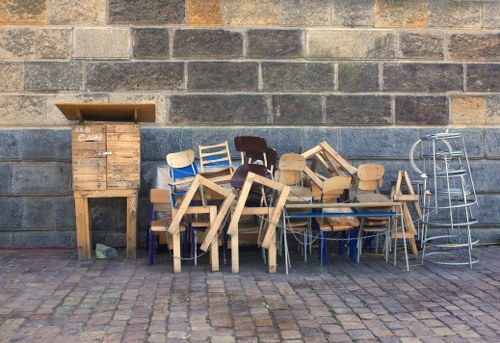
London produces an enormous amount of waste every day, but the challenge is not only volume. The city combines dense housing, mixed-use streets, and a wide range of buildings that all create different disposal needs. A small basement flat in Hackney may need occasional bag collections, while a family home in Wimbledon might need help after a loft clear-out. At the same time, a café in Clapham, a design studio in Fitzrovia, or a construction project in Stratford may each need a different disposal approach entirely.
When rubbish is left too long, it affects more than appearance. It can attract pests, create odours, block access routes, and make communal areas unpleasant for residents and visitors. In blocks of flats, one poorly managed bin store can quickly become a problem for everyone. In commercial premises, waste build-up can interfere with operations, damage customer confidence, and make it harder to keep things organised. A well-planned service keeps waste moving, supports recycling, and helps maintain a safer environment.
Recycling and rubbish in London is also about doing the practical job properly. Different materials need different handling, and not every item can go in the same container. Sorting recyclable materials from general waste can reduce the amount sent to landfill and make disposal more efficient. For many customers, the easiest way to stay on top of waste is to have a local team collect, separate, and remove it in one visit, especially when the job involves bulky or awkward items.
Who Our Local Waste Service Is For

Our service is designed for a broad range of London customers, from one-off domestic clearances to recurring commercial collections. If waste is getting in the way of how you live or work, it is worth arranging a solution that matches the property and the amount of rubbish involved. Many customers simply need a quicker, cleaner way to clear items that are too much for standard household bins or too awkward to move alone.
We regularly help:
- Households needing a one-off rubbish removal after decluttering, moving, or redecorating
- Tenants and landlords dealing with end-of-tenancy waste, abandoned belongings, or leftover furniture
- Estate agents and letting teams preparing properties for new occupants
- Offices clearing desks, chairs, packaging, IT equipment, and archive waste
- Shops, salons, cafés, and restaurants managing regular rubbish and recyclable materials
- Tradespeople and contractors dealing with renovation debris, timber offcuts, and mixed site waste
- Property managers overseeing communal bins, bin stores, and shared access areas
London properties vary widely, and that matters. A Victorian terrace in Peckham may have rear access but narrow passageways. A mansion block in Kensington may have strict porter arrangements. A purpose-built apartment in Canary Wharf may require timed access and lift protection. A local team understands these differences and can plan the removal accordingly, which saves time and avoids disruption.
What Can Usually Be Collected

Many customers are unsure whether an item is suitable for collection, especially if it is bulky, mixed material, or partially dismantled. In most cases, a professional service can handle a wide range of household and business waste. The exact collection method depends on the type of item, the quantity, and whether any materials need separating for recycling.
Common items include:
- General household rubbish and bagged waste
- Furniture such as sofas, wardrobes, tables, beds, and mattresses
- White goods and appliances where local handling rules allow
- Office chairs, desks, filing units, and shelving
- Cardboard, packaging, and mixed light commercial waste
- Garden waste, branches, hedge cuttings, and soil in suitable quantities
- DIY and renovation debris such as wood, plaster, tiles, and broken fixtures
- Electronics and electrical items requiring responsible processing
Some materials need extra care. Paint, chemicals, gas canisters, asbestos, and certain hazardous items are not handled in the same way as ordinary waste. If you are unsure about a specific item, it is best to ask before booking. That way, you get the right advice and avoid delays on the day. A good local team will explain clearly what can be taken, what needs special handling, and how to prepare the load.
How the Service Works
A simple process built around London life
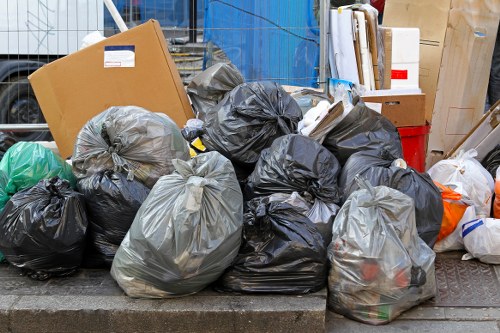
Customers usually want a waste service that is quick, predictable, and easy to fit into a busy schedule. That is why a local rubbish removal team should make the process clear from the start. You should know what happens before collection, how access is arranged, what happens when the team arrives, and where your waste goes afterwards. The aim is to take the pressure off you while keeping everything organised.
Typical steps include:
- Initial enquiry - You explain what needs removing, how much there is, and where the property is located.
- Assessment - The team considers the type of waste, access conditions, parking restrictions, and any special handling needs.
- Quote or estimate - You receive a clear price based on the waste volume, labour involved, and disposal requirements.
- Collection appointment - A suitable time is arranged, often with a focus on minimising disruption to neighbours, residents, or customers.
- Removal and loading - The waste is taken from the property, communal area, yard, or site and loaded safely.
- Sorting and processing - Recyclable materials are separated where possible and the remainder is disposed of responsibly.
For many London customers, the biggest benefit is convenience. You do not have to organise a van, navigate parking, or make repeated trips to a recycling centre. This is particularly helpful when you are dealing with stairs, no-lift access, limited loading space, or a large item that cannot be carried easily through the property.
Recycling in London: Making Better Use of Everyday Waste
What happens to recyclable materials?

Recycling is more than a box-ticking exercise. It is a practical part of waste management that can reduce the amount of material sent to landfill and help keep disposal more efficient. In London, where space is limited and waste volumes are high, proper recycling matters for both homes and businesses. A well-run service aims to separate suitable materials wherever possible rather than mixing everything together.
Common recyclable streams may include cardboard, certain plastics, metal, paper, wood, and some electrical items, depending on condition and processing rules. For commercial customers, recycling may also involve packaging waste, office paper, old equipment, and shop fit-out materials. For households, it may include cardboard from deliveries, kitchenware, metal shelving, or dismantled furniture components that can be processed separately.
Important: not everything that looks recyclable should go into a mixed load without checking first. Contaminated materials, broken glass, or waste mixed with food, paint, or chemicals may need separate handling. A professional team helps you avoid mistakes and ensures the waste is handled in line with current requirements. If you are trying to clear a property quickly, that advice can save time and reduce the risk of items being rejected.
What Is Included in a Typical Rubbish Collection
People often ask what they are actually paying for when they book a rubbish collection. A quality local service should be clear about the work included, especially if the job involves stairs, multiple bags, or awkward access. The value is not only in removal itself but also in the preparation, handling, loading, and disposal of the waste.
Usually included:
- Collection from the property, yard, forecourt, or agreed access point
- Manual loading of items by the removal team
- Sorting of reusable or recyclable materials where appropriate
- Transport to the relevant disposal or processing facility
- Responsible handling of the waste load
- Basic coordination around access, parking, and timing
In London, these details matter more than people expect. A collection in a terraced street in Tooting may involve carrying items out through a narrow hallway. A job in a top-floor flat in Bethnal Green may require dealing with stair access and limited parking. A shop clearance in Central London may need fast loading to keep the pavement clear and avoid interrupting customers. The right team plans for those realities before arriving.
What is not included can vary by job, so it is sensible to check if you have unusual waste, access challenges, or items that need special treatment. That way, there are fewer surprises and the work can go ahead smoothly.
Local Challenges Across London
Why area knowledge makes a difference
London is not one single environment. It is a patchwork of housing styles, road layouts, parking rules, and building types. That is exactly why a local waste service is useful. Someone familiar with the area is better prepared for tight streets, loading restrictions, timed access, and the way waste is stored in different kinds of properties.
Some common challenges include:
- Controlled Parking Zones and permit-only streets
- Busy roads where stopping is limited to short loading windows
- Flats above shops with shared entrances and narrow stairs
- Estate blocks with bin stores, service yards, or concierge rules
- Basement conversions and split-level homes with awkward access
- Traffic delays that make punctual collection more difficult without careful planning
These issues can slow down a collection if they are not accounted for. A local team working across areas such as Croydon, Lewisham, Ealing, Hammersmith, Walthamstow, Barnet, Southwark, and Hounslow will be used to adapting to different property layouts and road conditions. That flexibility helps both residential and commercial customers get the job done with less interruption.
Domestic Rubbish Removal for London Homes and Flats
Ideal for decluttering, moving and refurbishing
Home waste often accumulates slowly, then suddenly becomes urgent. A wardrobe is replaced, a sofa is delivered, the loft is cleared, or a tenant moves out and leaves behind more than expected. In London homes, especially flats and smaller properties, storage is limited and waste can quickly take over hallways, spare rooms, and balconies. That is when a fast, tidy collection becomes valuable.
Domestic rubbish removal is helpful for:
- Spring cleans and seasonal decluttering
- End-of-tenancy clearances
- Moving house and reducing what goes into the new property
- Replacing furniture and appliances
- Post-renovation tidy-up work
- Clearing lofts, basements, sheds, and garages
For many customers, the priority is simple: get it gone without turning the day into a long, physically demanding project. If you live in a flat in Fulham, a maisonette in Kilburn, or a family house in Kingston, you may not want to spend hours dismantling furniture or arranging multiple trips. A local collection service can remove the hassle in one visit and leave the space ready for its next use.
Tip: if you are preparing for decorators, movers, or new furniture delivery, clearing rubbish first helps the rest of the job run more smoothly.
Commercial Waste Solutions for London Businesses
Keeping premises tidy, safe and workable
Businesses in London generate waste constantly: packaging from deliveries, paper from office operations, broken fixtures, old stock, customer-facing rubbish, and waste from fit-outs or refits. If it is not managed properly, the effect is immediate. Staff areas become cluttered, storage becomes harder, and customers notice when waste is left too long.
Commercial customers may need help with:
- Office clearances and workstation removals
- Retail waste after refits, seasonal changes, or stockroom clear-outs
- Hospitality waste from cafés, bars, and restaurants
- Warehousing and light industrial waste
- Periodic collections for high-volume rubbish
- End-of-lease commercial clearances
A good local service understands that business waste often needs to be removed at a time that protects operations. Early morning, between service periods, or after closing may be the most suitable window. In places such as Soho, Shoreditch, Westminster, King’s Cross, or London Bridge, that kind of flexibility matters because space is tight and every minute of loading needs to be efficient.
For business owners and facilities teams, the benefit is not just removing waste. It is reducing clutter, keeping walkways safe, and making sure the site presents well for staff, visitors, and customers.
Pricing Factors: What Affects the Cost?
Why quotes vary from one job to another
Customers often want to know why waste removal can differ in price from one property to another. The most honest answer is that rubbish collection is usually priced according to the actual work involved. Two jobs that look similar at first glance may differ because of access, weight, sorting, loading time, or the amount of waste that needs processing.
Pricing factors may include:
- Volume of waste or number of items
- Type of waste, such as household, commercial, bulky, or mixed materials
- Weight and whether heavier materials are involved
- Access conditions, including stairs, lifts, or long carrying distances
- Parking and loading arrangements
- Timing, especially if access is restricted or needs to fit around business hours
- Any special handling needed for certain items
In London, access can make a major difference. A ground-floor collection with parking outside is very different from a top-floor flat with no lift and limited stopping space nearby. A clear quote should reflect those realities. That is why it helps to describe the waste accurately when requesting an estimate. If you are ready to clear space, request a free quote and give as much detail as you can about the job.
Good value is not always about the lowest figure. It is about getting the right work done efficiently, legally, and without unnecessary disruption.
How to Prepare for a Collection
Simple steps that save time on the day
A little preparation can make the visit quicker and smoother. You do not usually need to do heavy lifting yourself, but some basic organisation helps the team work efficiently and can reduce delays caused by access issues or unclear waste piles. If you live in a building with shared corridors or a busy entrance, preparation also helps you avoid inconvenience to neighbours or customers.
Preparation checklist:
- Separate items you definitely want removed from anything you plan to keep.
- Gather smaller rubbish into bags or boxes where possible.
- If safe to do so, dismantle flat-pack furniture to save space.
- Keep access routes clear, especially hallways, stairwells, and entrance paths.
- Check whether building management, concierge staff, or neighbours need advance notice.
- Reserve parking or loading space if that is part of your arrangement.
- Identify any items that may need special handling before the team arrives.
Do not overload bags or try to move heavy items alone if they are unsafe to carry. If the waste includes awkward or bulky pieces, leave them as they are and let the team handle them properly. That approach is safer and often faster in the long run.
Why Choose a Local London Company
Practical advantages that customers notice
There are many reasons customers prefer a local waste team rather than a one-size-fits-all approach. A company that works regularly across London is more likely to understand the mix of property types, traffic conditions, and access restrictions that shape daily collections. That local knowledge is especially useful when plans need to change quickly or when a job involves multiple challenges at once.
Benefits of choosing locally include:
- Better understanding of London parking and access conditions
- More suitable planning for flats, terraces, estates, and commercial units
- Quicker response for urgent clearances
- Greater familiarity with busy roads and time-sensitive loading
- Flexible service for both residential and commercial customers
- Support from people who regularly work in your area
For many customers, the real advantage is peace of mind. When you book recycling and rubbish in London with a team that knows the city, you spend less time explaining the basics and more time getting the job finished. That matters whether you are clearing a student flat near Dalston, a family home in Richmond, or a retail unit in Southbank.
Areas Covered Across London
Where local collections are commonly arranged
London is large, so customers often want to know whether a service can cover their neighbourhood. Local rubbish and recycling work is usually arranged across a wide range of inner and outer boroughs, with collections adapted to the area and property type. If you are unsure whether your location is covered, it is best to ask when requesting a quote.
Areas commonly served may include:
- Central London areas such as Westminster, Camden, Soho, and Holborn
- North London locations such as Islington, Hackney, Haringey, Enfield, and Barnet
- South London locations such as Lambeth, Southwark, Lewisham, Greenwich, and Croydon
- East London locations such as Tower Hamlets, Newham, Waltham Forest, and Barking
- West London locations such as Hammersmith, Ealing, Brent, Hounslow, and Richmond
- Outer boroughs and surrounding residential districts where access and timing can still be arranged
This kind of coverage is valuable because waste needs are not the same everywhere. A high-rise apartment block in Canary Wharf has different collection needs from a suburban driveway in Sutton or a shopfront in Notting Hill. A flexible service can adapt to each setting without making the process complicated for the customer.
What to Expect From a Professional Team
Clean work, clear communication, and careful handling
When you book waste removal, you want the job done properly and with minimal disruption. That means the team should arrive prepared, handle items safely, and treat your property with care. Good service is not just about lifting and loading. It is about behaving professionally in homes, communal areas, commercial premises, and shared outdoor spaces.
Customers can usually expect:
- Clear explanations before the collection
- Polite, efficient handling of the waste
- Care around walls, floors, lifts, and shared entrances
- Effort to keep disruption to neighbours or customers low
- Responsible sorting and disposal of materials
- Support with awkward items or awkward access where possible
Trust is important when you are letting people into your home or workplace to remove waste. You want to feel confident that the job will be completed properly, that the waste will be taken away, and that your property will be left tidier than before. That is what a reliable local service should aim to provide every time.
Frequently Asked Questions
Common questions from London customers
Can you collect waste from flats with no lift?
Yes, many collections involve stair access. It helps to mention the floor level and any access restrictions when booking so the team can plan the job properly.
Do I need to move the rubbish outside first?
Not usually. In most cases, the waste can be collected from inside the property, a communal area, yard, or another agreed point. If access is complicated, let the team know in advance.
Can you help with mixed waste after decorating or refurbishing?
Yes, many customers book collections after renovation or decoration work. This can include wood, packaging, old fittings, and general debris, although certain materials may need separate handling.
What if I have a lot of cardboard and packaging?
Cardboard and packaging can often be collected as part of a mixed load or as a separate recyclable load, depending on the quantity and condition.
Do you work with businesses as well as homes?
Yes. Office, retail, hospitality, and trade customers all have different waste needs, and the collection can be arranged accordingly.
How much notice do I need to give?
That depends on availability and the type of job. Some collections can be arranged quickly, while larger or more complex clearances may need more planning. If you need a specific time window, mention that early.
When to Book Rubbish Removal Instead of Waiting for Bin Collection
Situations where a dedicated service makes sense
Standard bin collections are useful for everyday waste, but they are not always enough. If the rubbish has already outgrown normal bins or if the items are too bulky, you may need a separate collection. The same applies when you are working to a deadline, such as a moving date, end-of-tenancy inspection, shop refit, or office handover.
Booking a dedicated service is often the better choice when:
- You have bulky items that will not fit in bins
- There is more rubbish than your regular collection can handle
- You need space cleared quickly for work or sale
- Access to bins is limited in a shared property
- You want recyclable items separated and removed in one visit
- You are dealing with a one-off clear-out rather than weekly waste
For many London residents and businesses, a one-off collection is the most efficient way to reset the space and move forward. It can be especially helpful after a house move, office upgrade, refurbishment, or tenancy change when you need the property to look clear and ready.
Responsible Disposal and Recycling Practices
Why proper handling matters to customers
Most customers care about where their waste goes. They want confidence that items are being handled properly, not simply moved out of sight. Responsible disposal is a key part of any reputable rubbish service. That means sorting materials where possible, directing recyclable items to suitable processing routes, and disposing of the remaining waste in line with current requirements.
This approach matters for several reasons:
- It reduces unnecessary landfill use where materials can be recovered
- It helps keep collections organised and efficient
- It gives customers reassurance that waste has been handled professionally
- It supports better waste practices across London homes and businesses
If you are clearing out a property, the last thing you need is uncertainty about what happens next. Choosing a team that takes recycling seriously gives you one less thing to worry about. It also makes it easier to deal with larger volumes, mixed materials, and the practical reality of waste that cannot all be treated the same way.
Book Your Service Now
Get the rubbish cleared without the hassle
If waste is starting to take over your home, office, shop, or building, now is the right time to arrange help. A local collection service can save time, reduce stress, and make the space usable again. Whether you are dealing with a single bulky item, a mixed clear-out, or recurring rubbish and recycling needs, the process should be simple and easy to arrange.
Contact us today to discuss your collection, request a free quote for your waste removal, or book your service now if you are ready to clear the space. The sooner the rubbish is dealt with, the sooner you can get back to using your property without clutter, mess, or unnecessary delays.
For local customers across London, a dependable rubbish and recycling service is not just convenient. It is a practical way to keep homes tidy, businesses moving, and shared spaces more pleasant for everyone.