Waste Recycling in London
Waste recycling in London is more than a box-ticking exercise for homes and businesses. In a city with busy streets, tight access, mixed property types, and constant turnover of furniture, packaging, and renovation materials, having the right recycling service can save time, reduce stress, and support more responsible disposal. Whether you are clearing a flat in Islington, managing office waste in Canary Wharf, upgrading a shop in Kensington, or dealing with household clutter in Walthamstow, a local recycling solution should feel practical, reliable, and straightforward.
For many London customers, the challenge is not simply getting rid of waste. It is sorting it properly, lifting it safely, moving it from the property without damage, and making sure as much as possible is handled through appropriate recycling channels. That is especially important in areas where parking is limited, stair access is awkward, basement spaces are common, and loading bays may have strict time windows. A local team that understands these realities can make a real difference to the experience.
Our approach to waste recycling in London is designed around convenience and responsibility. We help residential customers, landlords, letting agents, office managers, tradespeople, retailers, and property developers manage recyclable waste in a way that suits the pace of London life. If you need a one-off collection or recurring support, the aim is the same: make recycling easier, reduce unnecessary landfill use, and keep your property clear and workable.
Why waste recycling matters in London

London produces a huge variety of waste streams every day, from cardboard and plastics to wood, metal, textiles, electrical items, and building offcuts. In homes, it often comes from spring cleaning, refurbishments, garden clearances, and moving house. In commercial settings, it can include office furniture, product packaging, old shelving, warehouse wrap, and waste from fit-outs or refurbishments. Recycling this material properly is important not just for environmental reasons, but because it helps keep neighbourhoods cleaner and properties easier to manage.
Recycling waste in London can be challenging because properties and businesses are so varied. A Victorian terrace in Hackney may have narrow hallways and no rear access. A top-floor flat in Southwark may have stairs only. A restaurant in Soho may have limited collection windows before service begins. An office near Liverpool Street may need waste removed quietly and efficiently around busy working hours. A local service understands these realities and can adapt the collection to the site, rather than expecting the site to fit a generic process.
There is also the matter of sorting. Many customers do not want to spend hours separating materials, especially when dealing with mixed loads after a clear-out or renovation. A good recycling service can identify the main waste types, separate what can be recycled, and move everything through appropriate routes. That helps you stay organised and reduces the burden on your team or household.
Who our London recycling service is for
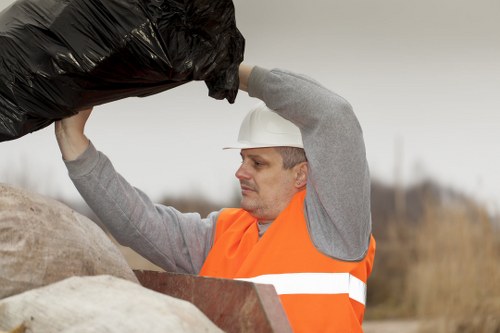
Our service suits a broad range of customers across the capital. Some need help with a single household clearance; others need regular recycling support as part of day-to-day operations. The common thread is that they want a local team that can handle waste efficiently and with care.
Typical customers include:
- Homeowners and tenants clearing unwanted items after decluttering, moving, or refurbishing.
- Landlords and letting agents dealing with leftover contents between tenancies.
- Builders and tradespeople who need materials separated and removed after small works or renovations.
- Offices and co-working spaces disposing of desks, chairs, paper, packaging, and old equipment.
- Retail and hospitality businesses managing stock packaging, back-of-house waste, and seasonal clear-outs.
- Property managers and facilities teams organising regular recycling support for multiple sites.
London customers often want a service that feels flexible. You may not know exactly how much waste you have until a cupboard, storeroom, or office floor is fully cleared. That is why it helps to choose a local team that can assess the load, explain what can be recycled, and adapt to the actual job rather than forcing a fixed-size approach.
What is included in a waste recycling collection
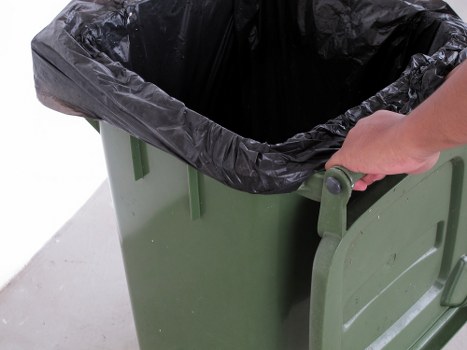
Every property is different, but most recycling collections in London will involve some combination of lifting, sorting, loading, and responsible transfer. The goal is to remove the waste safely while ensuring recyclable materials are handled correctly. This is especially useful when your waste includes mixed materials that are awkward to store, bag, or move without help.
What can often be included in a recycling-focused collection:
- Collection from houses, flats, offices, shops, or other premises.
- Loading from accessible points such as front gardens, driveways, reception areas, basements, or loading bays.
- Handling of bulky recyclable items such as cardboard, timber, metal fixtures, furniture, and some electrical items.
- Sorting support where materials need separating before transfer.
- Careful movement through shared entrances, stairwells, or tight corridors.
- Removal of loose recyclable waste created by clear-outs, refurbishments, or stock changes.
For many customers, the biggest benefit is that the process is simple. You do not need to hire the right vehicle, make multiple trips, or try to work out which local facility accepts which material. Instead, the job is handled in one visit where possible, with the collection tailored to your property and the waste you have.
Common recyclable waste types in London
Waste streams vary widely across the city, but some materials appear again and again in both domestic and commercial settings. Understanding what you have makes it easier to request the right service and prepare the site before collection. It also helps ensure items are handled through suitable recycling routes wherever possible.
Examples of recyclable waste commonly collected in London include:
- Cardboard, paper, and packaging materials from deliveries, moves, or retail stock.
- Timber, pallets, and certain wood-based items from renovations or shop fitting.
- Metal items, shelving, fixtures, and some appliances.
- Plastic containers, wrapping, and mixed packaging where suitable.
- Textiles, soft furnishings, and reusable household materials.
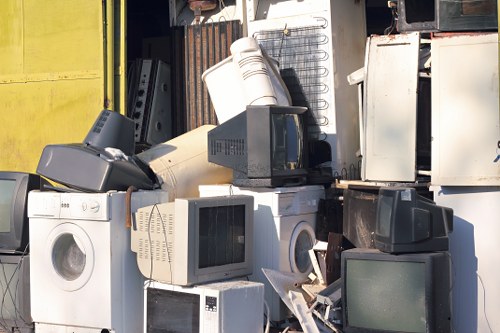
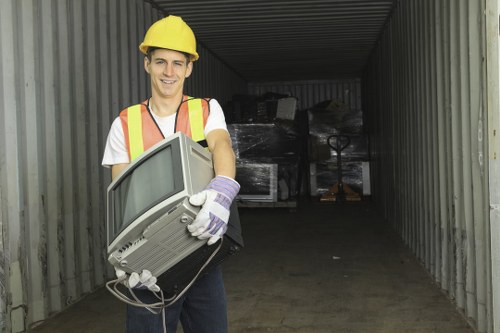
- Electrical waste such as monitors, printers, kettles, and small equipment, subject to item condition and local handling rules.
- Scrap from building and refurbishment work, including offcuts and dismantled components.
It is always wise to separate hazardous or specialist waste from general recyclable material. If your collection includes paint, chemicals, clinical waste, asbestos, or similar items, those require separate handling and should be discussed in advance. A responsible local service will make it clear what can be taken and what needs special arrangements.
How the service works
People often want waste recycling in London to be simple, predictable, and quick to arrange. A good service should keep the process clear from the start, especially if you are working around a move-out date, refurbishment schedule, or busy commercial opening hours. The basic steps are usually straightforward.
Typical collection process
- Tell us what you need removed. Describe the items, approximate volume, property type, and access details.
- Receive a practical quote. The cost will usually depend on waste type, volume, loading time, access, and disposal requirements.
- Choose a collection time. Booking is arranged to fit your schedule, including times that suit residents, landlords, and businesses.
- Prepare the area if needed. Items may be grouped in one place, or we may collect from the point of waste generation depending on access.
- Waste is loaded and removed. The team handles the lifting and collection, aiming to reduce disruption.
- Materials are processed responsibly. Recyclable items are separated where possible and sent through the appropriate channels.
Local knowledge matters here. In London, the difference between a smooth job and a frustrating one often comes down to small details: whether a van can pause safely nearby, whether there is lift access, whether a concierge needs advance notice, and whether collection needs to happen outside school run traffic or commercial peak times. A team that understands these conditions can save a lot of unnecessary back-and-forth.
Residential waste recycling across London
London homes come in many forms, and each one brings different recycling challenges. A detached home in Richmond may have side access and a driveway, while a maisonette in Clapham may require everything to be carried down internal stairs. A flat in Stratford may have lift access but strict estate rules. A terraced property in Peckham may have no parking directly outside. This variety is exactly why local support is useful.
For households, recycling support is often needed during:
- Moving home and clearing out unwanted belongings.
- Renovating kitchens, bathrooms, or loft spaces.
- Decluttering after years of accumulated items in sheds, garages, or spare rooms.
- Preparing a property for sale or rental.
- Clearing post-event waste or seasonal build-up.
Families often tell us that the hard part is not identifying what should be recycled, but physically moving it out of the property. Heavy boxes, broken furniture, old toys, packaging from deliveries, and unused household items can take time to sort and transport. A local recycling service can remove that strain and help you reclaim your space faster.
Useful tip for residents
If possible, keep recyclable items in loose groups before collection. Cardboard together, wood together, and metal separated where practical can speed up the job. That said, if you have mixed items and limited time, do not worry too much; the point of booking a professional service is that you do not have to do all the sorting yourself.
Commercial waste recycling for London businesses
Businesses across London rely on practical, punctual waste recycling support to keep operations running smoothly. Offices generate paper, packaging, outdated desks, chairs, and equipment. Shops create stock packaging, display materials, and old fixtures. Restaurants and cafés deal with delivery waste, storage materials, and refurbishment debris. Warehouses and light industrial premises may produce large volumes of cardboard, pallets, and mixed recyclable waste.
Commercial customers often need more than a one-time collection. They may require recurring support during busy trading periods, after deliveries, during fit-outs, or when preparing a unit for handover. In those cases, a local team can work around business hours, help minimise disruption, and provide a more predictable waste flow.
Why businesses book a local recycling service
- To clear space quickly and keep operations moving.
- To manage bulk recyclable materials without overloading storage areas.
- To support refurbishment, relocation, or end-of-lease clearances.
- To reduce internal staff time spent moving waste.
- To help maintain a tidier, safer, and more professional workplace.
For multi-site businesses, using a local London service can also make planning easier. Collections can be coordinated around access rules, loading restrictions, and building management requirements, which is especially helpful in busy commercial districts and mixed-use developments.
London areas we commonly cover
Waste recycling needs vary from borough to borough, but the core expectation is the same: a collection that is convenient, efficient, and suited to the property. Local teams are especially useful because they understand the traffic patterns, parking limitations, and building styles found across the city.
Areas commonly served include central, north, south, east, and west London locations such as:
- Camden, Islington, and Hackney
- Southwark, Lambeth, and Lewisham
- Kensington, Chelsea, and Westminster
- Hammersmith, Fulham, and Ealing
- Greenwich, Tower Hamlets, and Newham
- Wandsworth, Merton, and Wimbledon
- Richmond, Kingston, and Hounslow
- Barking and Dagenham, Redbridge, and surrounding east London areas
This list is not exhaustive. If your property or business is elsewhere in London, it is still worth making an enquiry. The important thing is finding a team that can reach your site, understand the access, and handle the waste type you have.
Access, parking, and loading challenges in London
One of the main reasons customers search for local waste recycling support is the difficulty of moving waste in and out of properties without issues. London can be awkward for parking, and many buildings are not designed with bulky removals in mind. That is why access planning matters as much as the waste itself.
Common site challenges include:
- No parking directly outside the property.
- Busy roads where stopping time is limited.
- Upper-floor flats with no lift or small lift access.
- Basements, rear mews entrances, and narrow staircases.
- Estate rules requiring advance notice or specific collection times.
- Loading bay restrictions for offices and commercial units.
When you request a quote, it helps to mention these details early. A team that knows what to expect can plan the right size crew, allow enough time, and reduce the risk of delays. This is particularly helpful for larger collections or properties with awkward access.
What to tell us before collection
To make the visit smoother, it is useful to share a few practical details in advance: floor level, lift availability, parking restrictions, whether there is concierge or site entry control, and whether the waste is already bagged or still mixed. Small details can make a big difference to how efficiently the job is carried out.
What affects pricing for waste recycling in London
Customers often want to know what influences the cost of recycling waste. While exact prices depend on the job, several common factors usually determine the quote. Being aware of them helps you plan ahead and understand what makes one collection different from another.
Typical pricing factors
- Volume of waste – larger loads usually require more time and vehicle capacity.
- Type of material – different waste streams can require different handling and recycling routes.
- Access conditions – stairs, narrow hallways, long carries, and parking restrictions may affect labour time.
- Location and timing – busy central locations or time-sensitive bookings may need more planning.
- Loading complexity – dismantling, sorting, or carefully removing bulky items can affect the overall job.
- Special disposal requirements – certain materials need separate processing.
It is usually best to request a tailored quote based on the actual waste you have rather than estimating too loosely. If you are unsure, photos or a clear description can help the team understand the collection more accurately. That often leads to a smoother booking and a more realistic expectation of the job.
Tip for getting a clearer quote
If your load includes mixed materials, try to mention the main items first. For example, “mostly cardboard and broken office chairs,” or “old timber, some packaging, and a few small appliances.” That helps the team prepare for the right kind of recycling collection and avoids confusion on the day.
How to prepare for your recycling collection
You do not need to do a full clear-out before the team arrives, but a little preparation can help the service run faster and more smoothly. In London, where time and access often matter, small steps can make a big difference.
Preparation checklist:
- Separate items if you can, especially cardboard, timber, metal, and general mixed waste.
- Keep pathways clear so items can be moved safely.
- Tell building management or concierge if access is controlled.
- Check whether parking or loading arrangements need advance planning.
- Remove personal documents, valuables, and anything you want to keep.
- Flag any items that require special handling before the visit.
If you are a business customer, it may also help to nominate one staff member to oversee access on the day. That way, any questions about entry, lifts, loading areas, or site rules can be answered quickly and the collection can stay on schedule.
What not to mix in with ordinary recyclable waste
Certain items need separate arrangements and should not be hidden in a general load. These can include hazardous materials, chemicals, asbestos, clinical waste, and some specialist electrical or contaminated items. If in doubt, ask before the collection so the right process can be used from the start.
Why choose a local London recycling company
There are many reasons people prefer a local team for waste recycling in London. The biggest advantage is practical knowledge. Local crews understand the way London properties work, from mansion blocks and mews houses to retail units, office towers, and converted buildings. That knowledge helps reduce friction and keeps the service efficient.
Key benefits of using a local company include:
- Better understanding of London access and parking conditions.
- More flexible scheduling for homes and businesses.
- Experience with mixed property types and busy streets.
- Faster response for time-sensitive collections.
- More relevant advice on what can be recycled and how to prepare.
Local support is also reassuring when you are dealing with a property issue that cannot wait. Whether you are trying to clear a flat before new tenants move in, empty a store room for stock, or finish a refurb on time, a nearby team is often easier to coordinate with than a distant, one-size-fits-all service.
FAQs about waste recycling in London
Q: Can you collect mixed recyclable waste?
Yes, in many cases mixed loads can be collected. If you are unsure how to sort everything, describe the contents as clearly as possible and the team can advise on the best approach.
Q: Do I need to carry the waste outside first?
Not always. Depending on access, the team may collect from inside the property, a garden, a basement, a shop floor, or an office area. Let the team know about stairs, lifts, or parking restrictions in advance.
Q: Is this suitable for flats and apartments?
Yes. Flats are a common request in London, especially in areas with shared entrances, lifts, or estate rules. It helps to mention your floor level and any access controls when booking.
Q: Can businesses arrange repeat recycling collections?
Yes. Many commercial customers need regular or semi-regular support for cardboard, packaging, office clear-outs, and operational waste.
Q: What if I have bulky items as well as recyclable materials?
That is common. Bulky items such as furniture, shelving, and fixtures can often be taken alongside recyclable materials, depending on the type of waste and access.
Q: How far in advance should I book?
For non-urgent collections, booking ahead is helpful, especially in central London or where parking and access need to be arranged. If your job is time-sensitive, mention that when you enquire.
Book waste recycling in London with confidence
If you need waste recycling in London, the right service should be easy to arrange, carefully handled, and suited to your property or business. You should not have to worry about lifting heavy items down stairs, sorting everything alone, or trying to fit a collection into a busy London schedule without help. A local team can take that pressure away and help you get the job done properly.
Whether it is a one-off household clear-out, an office refresh, a shop refit, or ongoing commercial recycling support, it makes sense to choose a service that understands the realities of London properties and roads. That means better planning, less disruption, and a more practical result for your space.
Contact us today to discuss your recycling needs, request a free quote, or book your service now. If you have a load ready to go, or even if you are still deciding what needs to be removed, getting the conversation started is the first step toward a cleaner, clearer property.
What customers usually want next
- A quick estimate based on the amount and type of waste.
- Help with access details and collection timing.
- Advice on separating recyclable materials.
- A service that works for homes, offices, and commercial premises alike.
When you are ready, simply arrange a collection that fits your schedule and location. For many London customers, that is the easiest way to turn a cluttered space into one that is safe, usable, and ready for whatever comes next.