Recycling and Sustainability at Waste Removal London
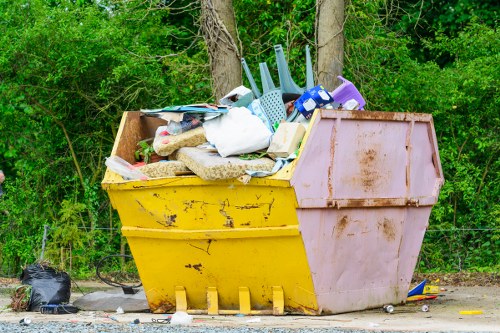 At Waste Removal London, sustainability is built into every stage of our work. Our goal is to make London waste removal cleaner, smarter, and more responsible by prioritising reuse, recycling, and lower-emission transport. We set a recycling percentage target of 90% across suitable loads, with the aim of diverting as much material as possible away from landfill. That means carefully sorting mixed waste, separating recoverable materials, and matching each collection to the most appropriate recycling route. For households, builders, landlords, and offices, this approach supports a more circular system where metal, wood, cardboard, green waste, and reusable items are given a second life whenever possible.
London’s boroughs each manage waste in slightly different ways, so our recycling services in London are designed to work with local expectations rather than against them. In many areas, waste separation at source is encouraged, with residents and businesses placing dry mixed recyclables, food waste, and residual rubbish into distinct streams. We mirror that logic in our own operations by pre-sorting loads where practical and directing them to the correct facility. This can include separate handling for paper and cardboard recycling, metal recycling, and green waste processing, helping to reduce contamination and improve recovery rates.
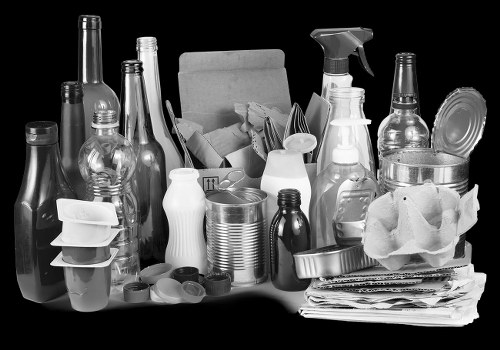 A key part of our process is working with local transfer stations across London. These facilities help us move waste quickly from collection points to specialist recycling and recovery sites, reducing unnecessary mileage and enabling better sorting. By using transfer stations close to the areas we serve, we also reduce congestion and make collections more efficient. In practical terms, this supports a better recycling waste removal model: less time on the road, less fuel used, and more control over where each load goes. Whether the material is construction debris, office clearance waste, or household junk, the goal is the same—keep recoverable items in circulation for as long as possible.
How Waste is Sorted for Recycling
Our waste handling process is designed to maximise recovery without adding unnecessary complexity. Items that can be reused are identified first, while recyclable materials are separated into clear categories. Wood may be directed to specialist processors, metals to scrap recovery, and cardboard to dedicated paper mills. In some boroughs, the emphasis is especially strong on separating food waste and dry recyclables, and our operations reflect that wider London mindset. This makes London recycling collection more effective because loads are less likely to be rejected due to contamination. We also encourage the recovery of plasterboard, textiles, and certain plastics where suitable facilities are available.
For larger clearances, such as refurbishments and commercial strip-outs, sorting happens in stages. Items are assessed on-site, then again at transfer stations or processing partners, so that reusable and recyclable fractions are captured properly. This layered approach supports our eco-friendly waste removal methods and helps maintain the quality of recovered materials. It is especially useful in mixed projects where there may be packaging, fixtures, fittings, timber, and metal all in one load. The more accurately these streams are separated, the more likely they are to return to the economy as useful raw material.
 We also place strong emphasis on partnering with charities and reuse organisations. Many items collected through Waste Removal London sustainability services are suitable for donation rather than disposal, including furniture, office equipment, household goods, and some electrical items. By working with charities, we help extend the lifespan of items that still have value for communities in need. This not only reduces landfill pressure but also supports social benefits through reuse. Where appropriate, we divert furniture and usable contents into donation routes before considering recycling or disposal, keeping the waste hierarchy firmly in place.
Low-Carbon Transport and Cleaner Collections
Transport is one of the biggest sources of emissions in any waste operation, which is why our fleet is increasingly focused on low-carbon vans and efficient route planning. Lower-emission vehicles help reduce the environmental impact of every collection, especially in central and inner London where stop-start traffic can make conventional vans less efficient. Our low-carbon waste collection approach combines cleaner vehicles with better scheduling, so multiple jobs can be completed in one route rather than through repeated trips. This means fewer emissions, less noise, and a more sustainable service overall.
We also review vehicle loading to make journeys as productive as possible. A van that is filled efficiently reduces the number of trips needed to move the same quantity of material, which in turn lowers fuel use. This matters across the capital, from busy residential streets to commercial estates where access can be tight and collection windows limited. Supporting green waste removal London efforts means thinking beyond the bin and looking at the full journey of each item, from pickup to final processing. Even small improvements in routing and load planning can create measurable carbon savings over time.
 Sustainability also depends on the quality of the facilities we use. When loads arrive at transfer stations or recycling partners, the aim is to keep as much as possible in productive use. That may involve recovering aggregates from construction waste, turning green waste into compost or soil improver, or sending clean cardboard into paper recycling streams. London boroughs often promote careful separation to improve capture rates, and our service supports that culture by making it easier for customers to present waste in a sorted or semi-sorted way. The result is a more reliable recycling service in London that aligns with the city’s wider environmental goals.
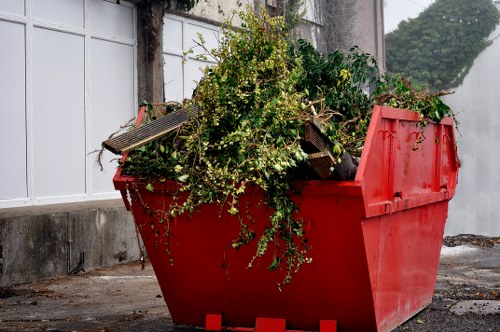 Looking ahead, Waste Removal London remains committed to raising its recycling performance and expanding its network of sustainable partners. The 90% target is not just a number; it is a benchmark that drives better sorting, smarter logistics, and stronger reuse pathways. By combining local transfer stations, charitable partnerships, and low-carbon vans, we can offer a sustainable waste removal London service that supports homes, businesses, and communities across the capital. From borough-led separation habits to responsible material recovery, every decision is aimed at reducing waste and preserving resources for the future.